
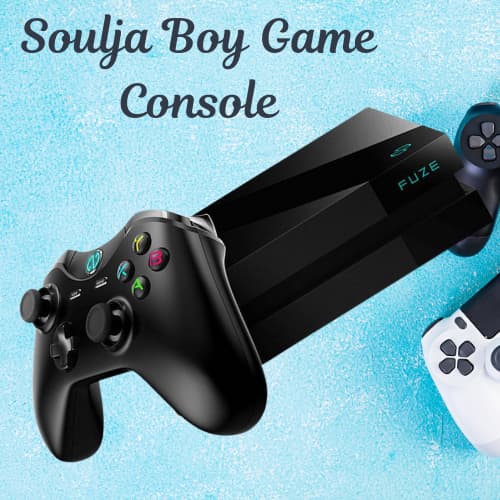
Soulja Boy Game Console entered the consumer tech space as a celebrity-driven attempt to sell retro-style gaming hardware under a hip-hop brand. The console line surfaced with heavy social media promotion, bold claims about features, and multiple hardware variants released within a short span of time. The project targeted casual gamers, nostalgia buyers, and fans interested in low-cost plug-and-play gaming systems rather than premium consoles.
This console venture did not follow the traditional gaming industry path. No original first-party titles launched with the hardware. Instead, the device focused on preloaded games and emulation-based software, which shaped both its appeal and its controversies.
Market Positioning
Yes, Soulja Boy Game Console positioned itself as an affordable alternative to mainstream gaming systems. Pricing stayed far below PlayStation, Xbox, or Nintendo offerings. The pitch centered on simplicity, fast setup, and access to classic game titles without physical cartridges.
Main positioning angles included:
- Plug-and-play setup through HDMI
- Retro gaming appeal
- Celebrity branding to drive awareness
- Low entry price for budget buyers
- Preloaded game libraries
This positioning aimed at impulse buyers rather than long-term gaming hobbyists.
Console Variants Released
Several versions of the console appeared under different names, each with minor hardware or cosmetic changes.
| Console Version | Core Focus | Storage | Controller Type | Target Buyer |
|---|---|---|---|---|
| SouljaGame Console | Retro gaming | 16–32 GB | Wireless | Casual users |
| SouljaGame Handheld | Portable play | 16 GB | Built-in | Mobile gamers |
| SouljaGame Home Edition | TV-based play | 32 GB | Dual wireless | Family use |
Each version relied on Android-based architecture and emulation software rather than proprietary systems.
Hardware Specifications Overview
The hardware leaned toward entry-level components. Performance supported older game formats rather than modern AAA titles.
Common specifications included:
- Quad-core processor
- Android operating system
- HDMI output
- USB charging
- Wireless controllers
- MicroSD card expansion
These specs allowed smooth playback of classic console titles while limiting advanced graphical performance.
Game Library and Emulation Model
The console focused on preloaded libraries rather than licensed game distribution. Emulators ran classic formats such as:
- NES
- SNES
- Game Boy
- Game Boy Advance
- Sega Genesis
- PlayStation 1
Users accessed hundreds of titles through menu-based launchers. This approach appealed to retro fans but created legal complications around intellectual property rights.
Legal and Licensing Issues
The biggest challenge faced by Soulja Boy Game Console involved licensing disputes. Major gaming companies objected to the distribution of copyrighted titles without authorization.
Key concerns raised by rights holders:
- Unauthorized ROM distribution
- Trademark misuse
- Lack of licensing agreements
- Brand confusion with official consoles
These issues forced product listings offline multiple times and disrupted sales channels.
Sales Channels and Availability
The console relied heavily on direct-to-consumer sales rather than major retail partnerships. Distribution occurred mainly through:
- Official websites
- Social media promotions
- Influencer mentions
- Limited third-party eCommerce listings
Sales interruptions occurred after takedown requests, creating inconsistent availability.
Pricing Strategy
Affordability served as a core selling point. Pricing undercut mainstream consoles by a wide margin.
Approximate price ranges:
- Home console: $150–$200
- Handheld console: $100–$150
This strategy targeted impulse purchases rather than long upgrade cycles.
Target Audience Profile
The product appealed to a narrow but specific audience segment:
- Fans of early console gaming
- Buyers seeking budget-friendly entertainment
- Celebrity brand followers
- Parents shopping for entry-level gaming devices
- Casual users uninterested in competitive gaming
Hardcore gamers rarely considered the console due to performance limits.
Marketing Style and Brand Leverage
Marketing leaned heavily on personal branding and social platforms. Promotions relied on high-energy videos, bold claims, and direct messaging rather than traditional advertising.
Common tactics included:
- Instagram video announcements
- Twitter promotions
- Direct fan engagement
- Limited-time offers
- Brand name emphasis over technical detail
This approach created short-term buzz but struggled with long-term trust.
Public Reception and Reviews
Reception remained mixed across online communities. Positive feedback focused on nostalgia value and ease of use. Negative feedback centered on legality concerns, software reliability, and customer support gaps.
User feedback patterns:
- Positive: simple setup, retro appeal, affordable pricing
- Neutral: average build quality, basic interface
- Negative: software glitches, support delays, licensing disputes
Comparison With Competing Retro Consoles
| Feature | Soulja Boy Console | Official Retro Mini Consoles |
|---|---|---|
| Licensing | Unverified | Fully licensed |
| Price | Lower | Higher |
| Build Quality | Basic | Premium |
| Game Selection | Large but disputed | Curated |
| Brand Trust | Limited | Strong |
This comparison highlights why mainstream buyers leaned toward licensed alternatives despite higher costs.
Consumer Risks and Considerations
Buyers faced several risks before purchase:
- Sudden product delisting
- Firmware instability
- Limited warranty support
- No official game ownership rights
- Potential legal shutdowns
These factors reduced confidence among cautious consumers.
Long-Term Viability Assessment
The console lacked infrastructure for sustained growth. No roadmap for exclusive games, hardware upgrades, or official partnerships appeared. The product relied on novelty rather than ecosystem strength.
Without licensed content and stable distribution, expansion remained limited.
Cultural and Industry Significance
Interestingly, Soulja Boy Game Console demonstrated how celebrity branding alone cannot replace licensing, engineering depth, and legal compliance in gaming hardware. The project still holds value as a case study in influencer-led consumer electronics.
It highlighted:
- The power of personal branding
- Risks of shortcut distribution
- Consumer demand for retro gaming
- Legal boundaries in digital content sales
| Area | Assessment |
|---|---|
| Concept | Retro-focused, budget-oriented |
| Hardware | Entry-level |
| Games | Emulator-based |
| Pricing | Affordable |
| Legal Standing | Disputed |
| Longevity | Limited |
It seems like Soulja Boy Game Console attempted to merge nostalgia gaming with celebrity influence and low pricing. The concept attracted attention, yet unresolved licensing matters and limited infrastructure restricted broader adoption. For buyers interested in retro gaming, licensed alternatives provide stronger reliability, while this console remains a notable experiment in celebrity-driven tech branding rather than a lasting gaming platform.