

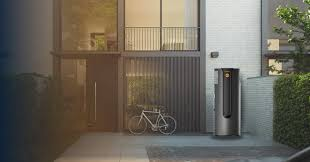
Your water heater quietly works around the clock, delivering hot showers, clean dishes, and fresh laundry. But like any appliance, it has a lifespan — and when it starts to fail, the costs can feel overwhelming. The good news is that upgrading your water heater doesn’t have to drain your savings. With the right planning, smart choices, and a little know-how, you can modernize your home’s hot water system without financial stress.
Know When It’s Time to Upgrade
Before spending a dime, you need to determine whether your water heater truly needs replacing or just some maintenance. Common signs that an upgrade is overdue include:
- Age over 10–15 years: Most traditional tank water heaters last between 8 and 12 years. If yours is pushing past that range, efficiency has likely dropped significantly.
- Rusty or discolored water: This signals internal corrosion, which no repair can permanently fix.
- Rumbling or popping noises: Sediment buildup causes these sounds and strains the heating element.
- Inconsistent hot water: If you’re running out of hot water faster than you used to, the unit is struggling.
- Visible leaks around the tank: Even small leaks can escalate quickly into major water damage.
Catching these warning signs early gives you time to plan and budget, rather than scrambling for an emergency replacement.
Understand Your Options Before You Buy
One of the biggest mistakes homeowners make is replacing a failing unit with the exact same model. Take this opportunity to explore your options:
1. Traditional Storage Tank Water Heaters
These are the most common and affordable upfront. They store and continuously heat a reservoir of water (usually 30–80 gallons). While their purchase price is lower, they consume more energy because they heat water even when you don’t need it.
2. Tankless (On-Demand) Water Heaters
Tankless models heat water only when you turn on the tap, making them far more energy-efficient — up to 34% more efficient for homes that use 41 gallons or less of hot water daily, according to the U.S. Department of Energy. Although they cost more upfront, the long-term energy savings often offset the initial investment within a few years.
3. Heat Pump Water Heaters
These units move heat from the surrounding air into the water rather than generating heat directly. They use significantly less electricity than standard electric water heaters and are an excellent choice for homeowners looking to lower utility bills over time.
4. Solar Water Heaters
If you’re in a region with ample sunlight, solar water heaters can dramatically reduce energy costs. They require a larger upfront investment but may qualify for generous federal and state tax credits.
Choosing the right type based on your household size, budget, and energy goals will define how much you save — both now and in the future.
Set a Realistic Budget
Upgrading a water heater involves more than the sticker price of the unit. Your total budget should account for:
- The unit itself: Prices range from $300–$600 for a basic tank model to $1,000–$3,000+ for tankless or heat pump units.
- Installation labor: Professional installation typically costs $200–$800 depending on complexity and your location.
- Permits: Some municipalities require permits for water heater installation, adding a modest fee.
- Disposal of the old unit: Many installers include this, but confirm before signing any agreement.
- Any necessary upgrades: Older homes may need updated gas lines, electrical panels, or venting systems to accommodate newer, more efficient models.
Getting two or three quotes from licensed plumbers gives you a realistic picture of total costs and helps you avoid overpaying.
Take Advantage of Rebates, Incentives, and Tax Credits
This is where significant savings can be found. Many homeowners leave hundreds — sometimes thousands — of dollars on the table by not researching available incentives.
- Federal Tax Credits: The Inflation Reduction Act offers tax credits of up to 30% on qualifying heat pump water heaters and solar water heating systems installed in your primary residence.
- Utility Company Rebates: Many local utility providers offer rebates for upgrading to energy-efficient appliances. Check your utility company’s website or call them directly.
- State and Local Programs: Some states have additional incentive programs on top of federal credits. A quick search on the ENERGY STAR website will show programs available in your area.
- Manufacturer Rebates: Brands sometimes run promotional rebates that shave off $50–$200 from the retail price.
Combining multiple incentives can dramatically reduce your out-of-pocket costs, especially when upgrading to a heat pump or solar model.
DIY vs. Professional Installation: Know the Difference
For homeowners who are handy, a straightforward electric tank-to-tank replacement might seem like a good DIY project. And in some cases, it can save $200–$500 in labor. However, there are serious caveats:
- Gas lines require a licensed professional. Improper gas connections are a safety hazard and are illegal in most jurisdictions.
- Permits and inspections matter. Skipping required permits can void your homeowner’s insurance or cause complications when selling your home.
- Tankless and heat pump installations are complex. These often require electrical upgrades, specialized venting, and precise setup for optimal performance.
If you live in an area like northern New Jersey and your system needs professional attention, trusted water heater repair Parsippany NJ services can help you assess whether a repair or a full upgrade is the smarter financial move — saving you from spending unnecessarily when a fix will do.
Extend the Life of Your New Unit From Day One
Once your new water heater is installed, a little routine maintenance can add years to its lifespan and keep it running efficiently:
- Flush the tank annually to remove sediment buildup, especially if you have hard water.
- Test the pressure relief valve once a year to ensure it’s functioning properly.
- Insulate the first few feet of hot water pipes to reduce heat loss.
- Set the thermostat to 120°F — hot enough for safe use but not so high that it wastes energy or accelerates wear.
- Inspect the anode rod every 3–5 years and replace it when heavily corroded. This single step can double the life of a tank water heater.
Timing Your Purchase Wisely
Believe it or not, timing can affect the price you pay. Water heater prices and contractor availability fluctuate throughout the year:
- Avoid winter and early spring for non-emergency upgrades. This is peak season for plumbers, and labor costs tend to be higher.
- Shop during late summer or fall when demand is lower and contractors may offer better rates.
- Watch for holiday sales at home improvement stores like Home Depot and Lowe’s, where appliances frequently go on sale.
If your unit is aging but still functional, planning your upgrade during a slower season lets you comparison-shop calmly rather than reacting in a panic when it finally breaks down.
Final Thoughts
Upgrading your water heater is one of those home improvements that pays dividends quietly — through lower energy bills, reliable hot water, and fewer emergency repair calls. The key is approaching it strategically: understand your needs, explore your options, stack available incentives, and hire qualified professionals for the work that demands it.
With thoughtful planning, you can walk away with a modern, efficient water heater system — and keep more money in your pocket than you ever expected.