

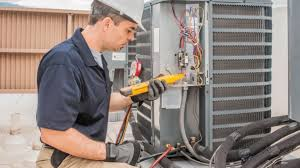
Many homeowners assume that when it comes to heating and cooling, bigger equipment must mean stronger performance and faster comfort. That idea sounds reasonable at first, but HVAC systems do not work well when they are chosen by guesswork or by the size of the previous unit alone. Proper system sizing affects how evenly air moves, how long cycles last, how humidity is controlled, and how much strain the equipment takes on throughout the year. A system that does not match the home can create comfort problems that never fully go away, even when the equipment is new and appears powerful.
Why sizing changes everything
- A Bigger System Can Create Smaller Comfort
One of the biggest misunderstandings homeowners have is believing that oversized equipment will cool or heat the home more effectively simply because it has more output. In reality, a system that is too large often runs in short bursts, reaches the thermostat setting too quickly, and shuts off before air has been distributed evenly throughout the house. That can leave some rooms feeling fine while others remain uncomfortable, especially in homes with multiple floors, long duct runs, or areas with strong sun exposure. During the cooling season, an oversized system may also remove less humidity because it does not run long enough to do so properly, leaving the air feeling damp or sticky even when the thermostat shows the desired temperature. Homeowners sometimes respond by lowering the setting further, not realizing the issue is not about effort but about a mismatch. Proper sizing matters because comfort is not only about reaching a number on a wall control. It is about how steadily the system maintains conditions from room to room and how naturally the home feels throughout the day without sudden swings, uneven airflow, or repeated adjustments.
- A Poor Fit Raises Costs in Quiet Ways
Improper system sizing also affects the financial side of home comfort in ways that may not be obvious at first. A unit that is too small may run for long periods trying to keep up during extreme weather, which can push energy use higher while still leaving parts of the home less comfortable than they should be. A unit that is too large may cycle on and off more often than necessary, creating waste through repeated starts and stops that do not translate into stable comfort. That kind of operation can shorten the life of important components and make monthly utility costs harder to predict. Many homeowners researching https://www.fleetwellusa.com/hvac-calabasas/ are trying to understand why a newer system may still feel expensive to run if the original sizing decision did not reflect the house’s actual needs. Square footage alone is not enough to determine the right fit. Window placement, insulation quality, ceiling height, duct condition, air leakage, occupancy patterns, and local weather exposure all influence how much heating or cooling a home truly needs. When sizing ignores those factors, the equipment may still function, but it often does so in a way that wastes energy while never quite delivering the balance the homeowner expected.
- The Right Size Protects the Whole System
Proper system sizing matters even more because it affects the long-term health of the HVAC equipment, not just comfort in the present moment. A system that is constantly overworked to meet demand, or that repeatedly short-cycles because it is too powerful, is placed under stress that builds over time. Motors, blowers, compressors, and control components all respond to the way the system runs day after day. If the runtime pattern is wrong for the home, those parts may wear down faster than they should. This is why some homeowners experience repeated service calls, not because the equipment itself is poorly made, but because the home and the system were never properly matched from the beginning. Proper sizing supports steadier operation, more balanced airflow, and a more natural rhythm of heating and cooling, helping the equipment perform with less strain. It also allows the contractor to recommend supporting improvements as needed, such as duct adjustments, return-air corrections, or insulation upgrades, rather than trying to address every comfort complaint with a larger machine. In many homes, the real success of an HVAC system depends less on how impressive the equipment sounds and more on how accurately it has been matched to the structure it serves.
A Good Fit Makes the Difference
Proper system sizing matters more than many homeowners realize because it shapes almost every part of how heating and cooling feel, perform, and age over time. A system that is too large or too small can create uneven temperatures, poor humidity control, increased energy use, and unnecessary wear, even when the equipment itself is new. The right size supports steadier comfort, more reasonable operating costs, and a longer-lasting system that works with the home instead of against it. In the end, real comfort does not come from choosing the biggest unit. It comes from choosing the one that fits the house correctly.