
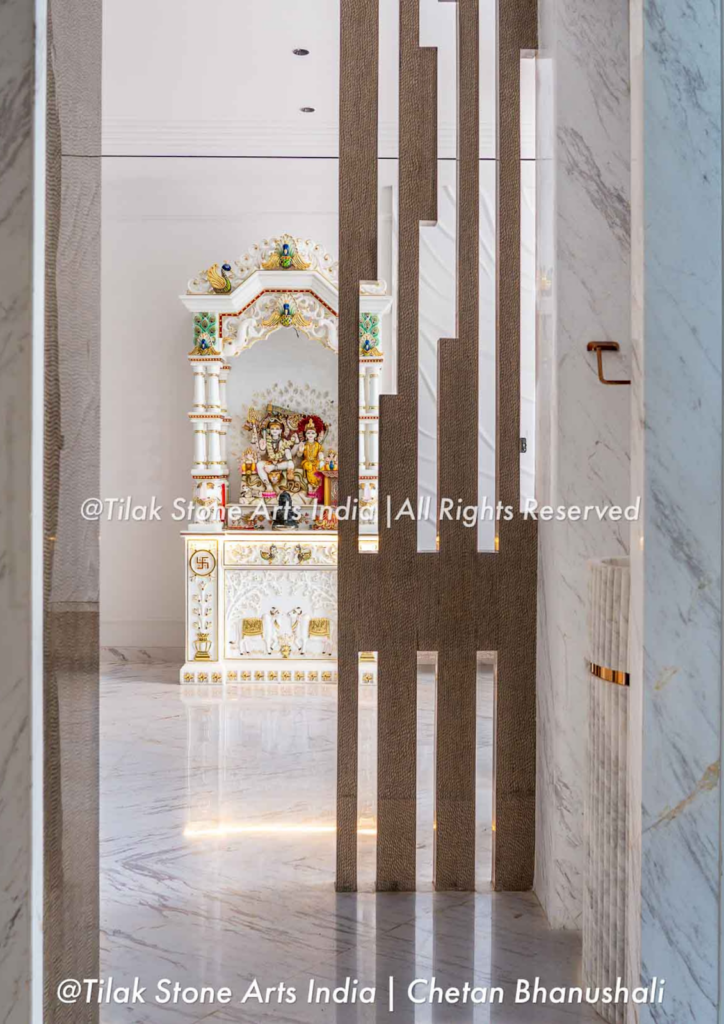
A temple is rarely just a structure. It holds memory, devotion, and a particular kind of silence that is difficult to explain. What separates an ordinary marble installation from one that genuinely feels sacred often comes down to a single craft: carving. The depth, rhythm, and intention behind every incised line quietly shapes how a space makes you feel.
The craft behind a marble carving temple is far more layered than most people realise. Every chisel mark is a decision, and every decision either adds to or detracts from the spiritual weight of the finished piece. Skilled carvers do not simply replicate patterns. They interpret iconographic traditions passed down through generations, translating abstract devotion into stone with a precision that cannot be rushed or replicated by machine alone.
When Stone Speaks Louder Than Words
Depth as a Form of Devotion: Carving adds physical dimension to flat marble surfaces, and that depth does something significant. It creates areas of shadow and highlights that shift subtly as light moves through the day. A carved lotus panel at sunrise looks entirely different from the same panel at dusk. That living quality is not accidental. It is the direct result of intentional relief depth and the carver’s understanding of how natural light interacts with stone.
Pattern Placement and Sacred Geometry: The placement of carved motifs within a temple structure follows a logic rooted in spiritual tradition rather than decorative preference. Motifs placed at thresholds, above niches, or along the shikhara carry specific symbolic weight. A carver trained in these traditions understands that position is as meaningful as the pattern itself. Shifting a motif even slightly can quietly alter the visual hierarchy of an entire panel.
Light, Shadow, and the Divine Atmosphere
Diffused Light Refraction in Carved Marble: Vietnam White Marble carries a particular translucency that, when carved correctly, allows light to scatter through the stone rather than simply bounce off its surface. This diffused light refraction produces a soft inner glow that polished, uncarved marble rarely achieves. It is the kind of light that makes a space feel genuinely still rather than merely well-lit, and it is one of the reasons material choice matters so deeply in temple design.
The Relationship Between Relief Depth and Ambiance: Shallow carvings and deep relief work produce entirely different results within the same space. Shallow carving creates delicacy and visual precision. Deep relief, typically reserved for deity niches and major architectural borders, creates drama and visual gravity. Using the wrong depth in the wrong location produces a temple that feels inconsistent, which quietly undermines its sacred quality regardless of how fine the stone was.
read more : Desk organizer as a quiet system for everyday tools
Tradition Carved Into Every Surface
Iconographic Relief as Living Heritage: The motifs carved into temple marble are not decorative choices in the conventional sense. Each iconographic relief pattern carries meaning rooted in centuries of devotional art. The recurring use of lotus, kalash, and scrolling vine motifs in Indian temple architecture reflects a visual language that worshippers recognise instinctively. When a carver works within this tradition rather than improvising freely, the finished temple connects to something far older and more significant than the project itself.
Some of the carving traditions most commonly preserved in high-quality marble temples include:
- Lotus medallions represent spiritual purity and are typically placed at the centre of ceiling panels or above deity niches, where the eye naturally settles during prayer.
- Kirtimukha borders appear along architectural edges and shikhara bases to mark sacred thresholds, providing both decorative rhythm and a sense of symbolic protection.
- Scrolling vine patterns fill pillar work and arch infill, referencing growth, continuity, and the connection between earthly and divine realms in temple iconography.
- Geometric latticework carved into jali screens controls light entry while referencing mathematical order as a spiritual concept central to classical temple design.
Why Carving Quality Cannot Be Treated as Optional
The Long-Term Consequences of Poor Craftsmanship: Carving completed without proper training creates problems that extend well beyond aesthetics. Poorly calculated relief depth weakens marble panels structurally, making them more vulnerable to cracking over time. Uneven chisel pressure leaves micro-fractures invisible at first but increasingly problematic with temperature shifts. A temple built from excellent stone yet carved with inadequate skill will deteriorate in ways that a carefully crafted piece simply will not.
Authenticity That Survives Decades: The temples that maintain their visual authority over long periods share a common quality. Their carving was done by craftspeople who understood both the material and the tradition they were working within. Vietnam White Marble, when handled by hands trained in classical methods, retains clarity over time. The motifs remain legible, the surface holds its presence, and the spiritual weight of the space endures as the years pass.
Where Intention Meets Stone
Every temple you commission is, in some sense, permanent. It will outlast the decisions made around it, and the quality of its carving will determine whether it remains a space of genuine devotion or becomes simply a decorative object over time. If you are planning a marble temple, seeking craftspeople who understand the relationship between material, motif, and sacred meaning is not a luxury. It is the only way to get this right. Begin with carving, and everything else follows.