

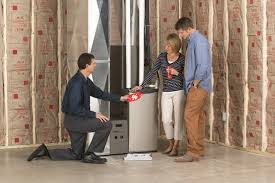
Upgrading your home’s furnace is a significant decision that affects comfort, energy efficiency, and long-term costs. A furnace that is too small may struggle to heat your home evenly, while one that is too large can cycle on and off excessively, wasting energy and creating inconsistent temperatures. The key to a successful upgrade is understanding your home’s unique layout, square footage, insulation quality, and heating needs. We will explore factors influencing furnace selection, including sizing considerations, energy-efficiency ratings, and how different layouts can affect heat distribution. By making informed choices, homeowners can ensure consistent warmth, lower utility bills, and a furnace that aligns with their home’s structure and lifestyle, resulting in lasting comfort throughout the year.
Understanding Your Home’s Heating Requirements
Every home in Barrie, Ontario has distinct heating requirements based on its size, construction materials, and insulation levels. Homes with open floor plans or high ceilings require furnaces capable of distributing heat evenly across large, unobstructed areas, while homes with multiple small rooms need units that maintain consistent temperatures in each space. Calculating heating needs often involves evaluating the total square footage, wall and roof insulation, window quality, and local climate conditions. Professional assessments can identify areas prone to heat loss, such as poorly insulated attics or drafty windows. By understanding these requirements, homeowners can select a furnace that meets their specific demand without overworking the system, ensuring energy-efficient operation. Proper sizing avoids frequent cycling, maintains comfort levels, and extends the furnace’s lifespan while reducing overall energy consumption.
Selecting the Right Furnace Size
Furnace sizing is critical because an incorrectly sized unit can lead to discomfort and increased energy costs. A furnace that is too small struggles to heat your home, leaving cold spots and forcing the system to run continuously. Conversely, an oversized furnace heats the space too quickly and then shuts off, resulting in temperature swings and wasted energy. Sizing calculations consider square footage, ceiling height, number of windows, and insulation quality. Homeowners may also consider the furnace’s output capacity, usually measured in British Thermal Units (BTUs). An accurate match between furnace capacity and heating demand ensures even heat distribution, consistent indoor temperatures, and reduced wear on the system, contributing to longer-lasting performance and more reliable operation over time.
Energy Efficiency and Cost Considerations
Energy efficiency plays a significant role in furnace upgrades, impacting both operational costs and environmental footprint. Furnaces come with ratings such as Annual Fuel Utilization Efficiency (AFUE), which indicates the percentage of fuel converted into usable heat. Higher AFUE ratings generally mean lower fuel consumption and reduced monthly bills, although they often come with higher upfront costs. When selecting a furnace, homeowners should balance initial investment against long-term savings. Additional factors, such as programmable thermostats, zoned heating, and variable-speed blowers, enhance efficiency by adapting performance to actual heating needs. Evaluating energy efficiency alongside furnace size and home layout ensures that the system delivers consistent comfort while controlling costs, making the upgrade a financially sound decision over time.
Layout and Heat Distribution Strategies
The layout of a home directly affects how heat circulates, influencing furnace performance. Homes with multiple floors, irregular room shapes, or obstructed hallways may require duct modifications, zoning systems, or strategically placed vents to maintain even temperatures. Open-concept spaces may benefit from high-capacity furnaces that push heat across larger areas, while homes with many smaller rooms may require careful duct planning or multiple units to avoid cold spots. Additional considerations include ceiling height, room orientation, and airflow patterns, which can significantly impact comfort levels. Understanding the interaction between furnace output and home layout allows homeowners to achieve consistent warmth throughout the property, minimize energy waste, and enhance overall satisfaction with the heating system.
Professional Installation and Maintenance
Proper installation is essential to maximize furnace performance and longevity. Even the most efficient unit will underperform if ductwork is poorly designed or airflow is obstructed. Professional installation ensures that the furnace is correctly sized, properly connected, and optimized for the home’s layout. Regular maintenance, including filter changes, blower inspections, and heat exchanger cleaning, preserves efficiency and prevents unexpected breakdowns. Scheduling periodic check-ups allows homeowners to identify minor issues before they escalate into costly repairs, ensuring uninterrupted comfort and safety. Investing in professional installation and routine maintenance protects both the home and the furnace, resulting in a heating system that consistently meets the household’s needs for years to come.
Upgrading a furnace requires careful consideration of size, energy efficiency, and how heat moves throughout a home. Selecting the right unit involves evaluating the square footage, insulation, room layout, and specific heating needs to ensure the system operates efficiently and maintains comfort. Factoring in energy efficiency ratings and cost trade-offs supports long-term savings while providing reliable performance. Heat distribution strategies and professional installation further optimize operation, preventing uneven temperatures and reducing wear on the system.
A well-chosen furnace upgrade enhances comfort, lowers energy expenses, and provides a dependable heating solution tailored to a home’s unique characteristics. The process of choosing a furnace upgrade goes beyond simply picking a model; it requires understanding the interplay between size, layout, efficiency, and performance. By considering heating requirements, properly sizing the unit, factoring in energy efficiency, and planning for effective heat distribution, homeowners can achieve consistent warmth throughout their property. Professional installation and routine maintenance further safeguard performance, extend the system’s lifespan, and protect the investment. Thoughtful consideration of these elements ensures that the furnace meets the home’s specific needs, providing comfort and reliability year-round.