

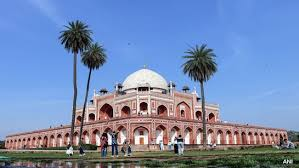
Delhi, the national capital of India, probably sees more weather extremes than most other cities. From summer heat that’s unbearable during peak months to winter fog and unexpected rains, local weather has patterns but is also unpredictable. What’s also unique is the variability across the city. Dense zones across central and southeast Delhi are often 2–4 °C warmer at night than surrounding NCR cities. Winters along the IGI–Dwarka–NH48 belt have more visibility issues compared to other areas. Pollution is also often an amplifying factor for Delhi weather.
These micro variations simply mean that regular forecasts aren’t enough for the entire city. That’s exactly where more advanced platforms like MeteoFlow can help. MeteoFlow, which is managed by meteorologists, data scientists, and tech experts, relies on tested computational tools and atmospheric sciences to offer insights for each location, instead of simple Delhi forecasts. Here’s why Delhi needs localised, accurate details.
Problems with Generic Forecasts
Citywide forecasts usually talk about sunrise, sunset, and temperature details with generic wind details, which do not account for the NCR station-level differences. Fog timing and clearing windows, for instance, can be drastically different for two neighbouring zones. Dust storm gust fronts require early alerts that such forecasts don’t offer, while rainfall totals only talk of standard details and not about corridors that are more likely to have issues like waterlogging. Daily summaries also don’t offer details about critical hourly transitions, which are a must for operations across sectors.
Forecast Details That Matter in Delhi
So, what are the forecast details that everyone, including users, authorities, and businesses, is looking for? The first one is visibility/fog in winter, for which hourly visibility thresholds matter for aviation and road transport on highways. Wind and gust timing is just as critical because gust detection before a storm can help plan metro work, crane operations, and other tasks that happen on the rooftop.
Delhi doesn’t have uniform rain patterns. Many areas have short, localised bursts, which means details about rainfall intensity and timing matter. Temperature and heat index are other parameters that count in Delhi, especially in summer when cooling demands and energy consumption patterns vary across the city and NCR. Solar Radiation and haze details are also relevant aspects for the renewable energy sector.
The idea is to read forecasts as sequences, rather than singular weather snapshots. This includes:
- Tracking hourly changes across all parameters instead of singular values
- Reading signals before fog and storms in the forecast trends
- Reviewing factors like wind, humidity, and temperature to see how they interact with each other
- Using forecast details to set work windows for better safety of teams and workers
In other words, fog alerts cannot be assumed to be uniform across NCR, and focusing on average wind speeds and ignoring dust data is a mistake.
Takeaways
From aviation and solar to construction, transport, and commercial sectors, accurate weather forecasts matter. Given the diverse weather patterns across zones and areas in Delhi and how pollution often makes things worse, advanced site-level readings.