

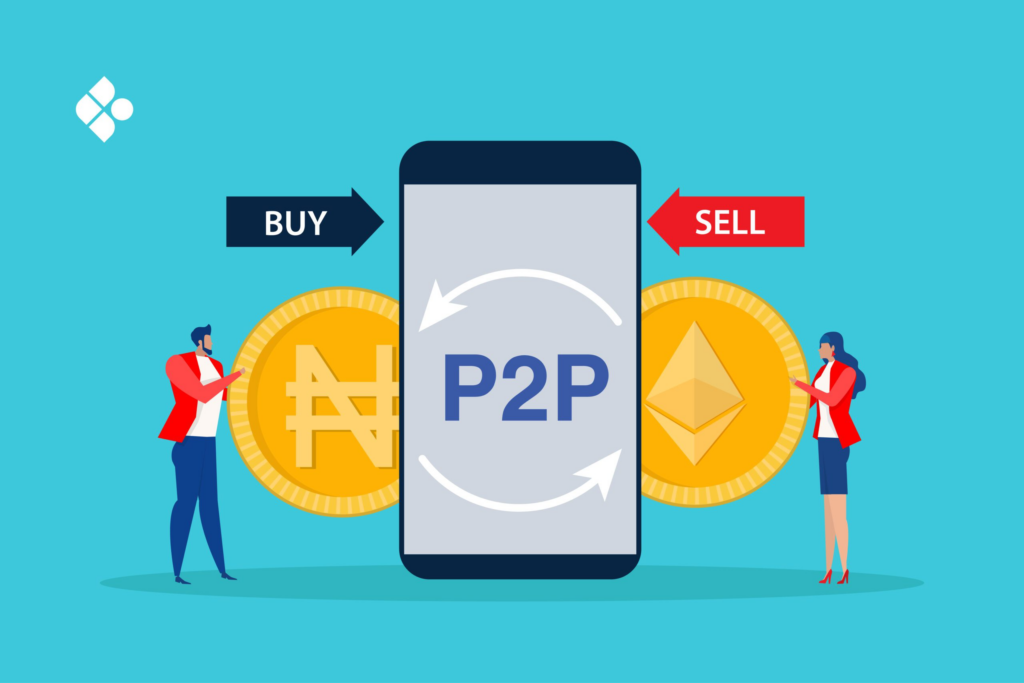
Selling Bitcoin in Nigeria has become increasingly popular as more people seek to convert their digital assets into local currency. However, choosing the right method to convert bitcoin to naira is crucial to maximize profits and ensure safety. Two of the most common methods are Peer-to-Peer (P2P) trading and centralized exchanges. Each has its advantages and disadvantages, and understanding the differences can help you make the best decision for your needs.
Understanding the Nigerian Crypto Landscape
Nigeria has emerged as one of the leading cryptocurrency markets in Africa. Despite regulatory challenges, millions of Nigerians actively trade Bitcoin and other cryptocurrencies. However, the rapid growth of the market has also led to scams and unreliable platforms, making it essential to use trusted methods for selling Bitcoin. Whether you choose P2P trading or an exchange, knowing how to navigate the market safely ensures you get the best value when converting your Bitcoin to Naira.
What Is a Cryptocurrency Exchange?
A cryptocurrency exchange is a centralized platform that allows users to buy, sell, and trade digital currencies. Exchanges like Binance, Luno, and Quidax facilitate Bitcoin transactions and provide a straightforward process for converting Bitcoin to Naira. They often require account verification (KYC), and funds are held securely within the platform’s wallets.
Advantages of Using an Exchange
- Security: Exchanges typically offer robust security features like two-factor authentication (2FA) and cold storage for cryptocurrencies.
- Liquidity: High trading volumes ensure that your Bitcoin can be sold quickly at market rates.
- User-Friendly: Platforms are designed to be intuitive, making them ideal for beginners.
Drawbacks of Using an Exchange
- Verification Requirements: KYC can take time, delaying transactions.
- Fees: While competitive, exchange fees can slightly reduce profits.
- Limited Flexibility: Market rates are determined by supply and demand on the platform, limiting pricing control.
What Is Peer-to-Peer (P2P) Trading?
P2P trading connects buyers and sellers directly, allowing them to negotiate prices and payment methods. Platforms like Binance P2P, Remitano, and Paxful use escrow services to ensure transactions are secure. P2P trading has grown popular in Nigeria due to its flexibility and the ability to bypass banking restrictions on cryptocurrency.
Advantages of P2P Trading
- Flexible Pricing: You can set your own rate when converting Bitcoin to Naira.
- Multiple Payment Options: Supports bank transfers, mobile wallets, and other payment methods.
- Direct Interaction: Communicate directly with buyers for faster negotiation.
Drawbacks of P2P Trading
- Time-Consuming: Waiting for buyers can take longer than instant exchange sales.
- Requires Vigilance: Even with escrow, scammers exist, so buyer verification is essential.
- Complexity for Beginners: P2P platforms require a bit more experience to use confidently.
Step-by-Step Guide to Selling Bitcoin Safely
Whether you choose an exchange or P2P platform, following these steps ensures a secure transaction:
- Verify Your Account: Complete KYC verification on the platform.
- Check Market Rates: Monitor current Bitcoin prices to get the best deal.
- Transfer Bitcoin to Platform Wallet: Double-check addresses before sending funds.
- Select Your Selling Method: Choose between market orders (exchange) or listing for buyers (P2P).
- Confirm Payment: Ensure funds are received before releasing Bitcoin, especially in P2P trades.
Comparing P2P and Exchange Platforms
| Feature | Cryptocurrency Exchange | P2P Trading Platform |
| Security | High (2FA, cold storage) | Moderate to High (escrow, 2FA) |
| Pricing Flexibility | Low (market rates) | High (set your own rate) |
| Transaction Speed | Fast (instant market execution) | Variable (depends on buyer) |
| Ease of Use | Beginner-friendly | Moderate (requires experience) |
| Payment Methods | Bank transfer, platform wallet | Multiple (bank, e-wallet, cash) |
| Risk of Scams | Low | Moderate (requires vigilance) |
This table illustrates the strengths and limitations of each method, helping you decide which option best suits your selling strategy.
Tips for Safe Bitcoin Selling in Nigeria
- Use Reputable Platforms: Stick to well-known exchanges or P2P services with strong user reviews.
- Enable Security Measures: Use two-factor authentication and secure passwords.
- Verify Buyers: On P2P platforms, check buyer ratings and transaction history.
- Avoid Sharing Private Keys: Legitimate platforms never ask for private keys.
- Monitor the Market: Timing your sale can maximize the amount you receive when converting Bitcoin to Naira.
When to Use P2P vs Exchange
- Use P2P: If you want flexibility in pricing, multiple payment options, and direct negotiation.
- Use an Exchange: If you value speed, convenience, and maximum security for a straightforward sale.
Some traders combine both methods—selling smaller amounts via P2P for better rates and using exchanges for large or urgent transactions.
Common Mistakes to Avoid
- Selling to unverified buyers outside a platform.
- Ignoring fees and receiving less than expected.
- Rushing transactions without checking Bitcoin prices.
- Sharing sensitive account or wallet information.
Avoiding these mistakes ensures your Bitcoin transactions remain secure and profitable.
Conclusion
Deciding between P2P and exchange platforms comes down to your priorities: speed, security, and pricing flexibility. Both methods allow Nigerians to convert bitcoin to naira safely, provided you use reputable platforms and follow best practices. By understanding the differences, comparing fees, and taking security seriously, you can confidently sell your Bitcoin while maximizing profits.