

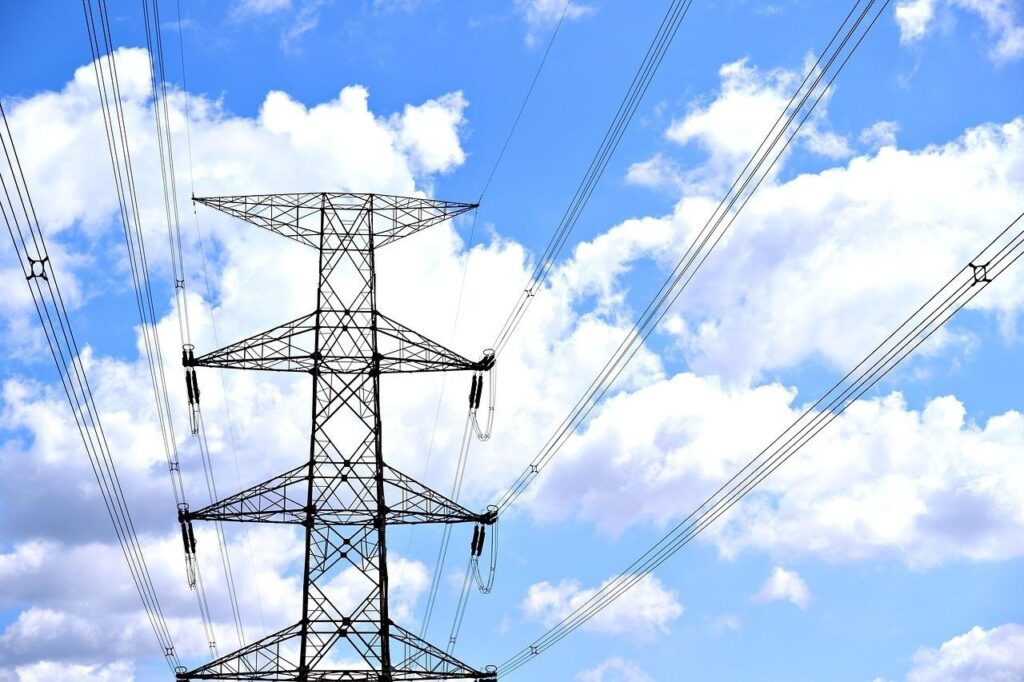
The United States has committed unprecedented capital to infrastructure since the start of the decade, driven by landmark legislation such as the Bipartisan Infrastructure Law, the CHIPS and Science Act, and the Inflation Reduction Act. Yet despite this surge in funding, many large-scale projects—particularly in energy, transmission, and grid modernization—continue to face long lead times before construction begins.
A central challenge is the complexity of the U.S. permitting framework. Developers must navigate overlapping federal, state, and local regulatory requirements, often accompanied by extended environmental reviews and the potential for litigation. While timelines vary by sector and project scope, approval processes for major infrastructure initiatives can extend for years, with some reviews exceeding statutory targets.
As a result, many infrastructure sponsors rely on specialized legal and regulatory advisory partners to manage environmental compliance, streamline approvals, and anticipate legal risks early in the development cycle. Those looking to better understand how consulting firms help mitigate litigation and regulatory bottlenecks can discover additional resources on emerging best practices and advisory approaches.
The urgency of reform is underscored by broader national priorities. Modernizing infrastructure is critical not only for economic competitiveness, but also for energy security and the expansion of digital and AI-driven industries.
The Structural Complexity of the Permitting System
At the federal level, the National Environmental Policy Act (NEPA), enacted in 1970, establishes the framework for environmental review. Depending on the scale and potential impact of a project, agencies must prepare either an Environmental Assessment (EA) or a more comprehensive Environmental Impact Statement (EIS).
These reviews are designed to ensure environmental protection and public transparency—but they can also introduce extended timelines for more complex projects. Recent federal data indicate that the median time to complete an Environmental Impact Statement was approximately 2.2 years in 2024, although a significant share of projects still exceed statutory deadlines.
In practice, major projects often require coordination across multiple federal agencies, each with its own review processes and criteria. This complexity is further compounded at the state level. For example, California’s Environmental Quality Act (CEQA) imposes additional review requirements that can exceed federal standards, increasing the likelihood of supplementary analysis and legal challenges.
Several high-profile infrastructure projects illustrate these dynamics. Large-scale transmission and water infrastructure projects in the western United States have in some cases required decade-long review and approval timelines. While these extended durations reflect a combination of environmental review, stakeholder engagement, and project complexity, they underscore the uncertainty that often characterizes major infrastructure development.
Legal, Operational, and Strategic Implications
Policy experts and industry leaders increasingly emphasize that the challenge is not environmental oversight itself, but the fragmentation and unpredictability of the permitting process. Overlapping jurisdictions, evolving regulatory interpretations, and the risk of legal challenges make it difficult for both public and private sector stakeholders to plan with confidence.
This complexity has elevated permitting from a procedural requirement to a strategic capability. Successful project delivery increasingly depends on early-stage regulatory strategy, integrated legal planning, and proactive stakeholder engagement.
Legislative proposals aimed at streamlining environmental reviews and reducing litigation timelines reflect growing alignment on the need to accelerate infrastructure delivery while maintaining environmental safeguards.
The Path Forward
For the United States to fully realize its infrastructure ambitions—whether in energy transition, advanced manufacturing, or AI-enabled economic growth—greater efficiency in the permitting process will be essential.
This does not necessarily require eliminating environmental protections, but rather modernizing how they are implemented. Opportunities include improving interagency coordination, establishing clearer timelines, reducing duplicative reviews, and increasing transparency for project sponsors.
Absent such reforms, the gap between investment and execution is likely to persist—limiting the nation’s ability to translate funding into tangible infrastructure outcomes at the pace required in an increasingly competitive global landscape.