

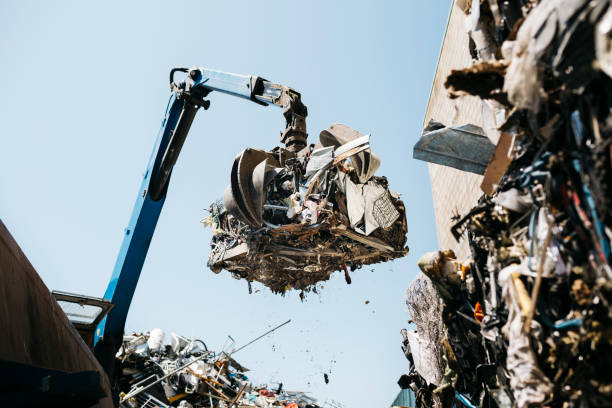
Most commercial operations don’t think twice about the metal waste building up in different corners of their facility. It sits there, perhaps temporarily, until someone gets around to clearing it. But that slow accumulation quietly chips away at operational performance, and the costs, both visible and hidden, grow steadily over time.
When scrap metal is left unmanaged across warehouses, construction zones, or manufacturing plants, the consequences extend well beyond aesthetics. Floor space shrinks, movement corridors tighten, and staff begin adapting their workflows to work around the clutter rather than through it. Over weeks and months, this adaptation becomes the norm, and by then, the operational damage is already embedded into daily routines.
Space Is a Resource, and Unmanaged Metal Eats It Whole
Lost Floor Space Becomes a Capacity Constraint: Every square metre occupied by accumulated metal offcuts, surplus material, or structural remnants is space that cannot be used for production, storage, or equipment staging. In high-throughput environments, this translates directly into reduced capacity. Operations begin turning down work or stacking delays without always understanding why throughput has quietly slowed.
The Gradual Shrink of a Working Site: Metal builds up gradually, often near loading docks or machinery bays, and before long those areas become de facto storage zones. Staff reroute, equipment gets repositioned, and the facility quietly shrinks around the accumulation. Nobody formally approves this change, but the site starts operating as though less space is available, because effectively, it is.
Recovery Value Lost to Disorganised Accumulation: Metal that sits in disorganised piles across a commercial site is harder to sort, weigh, and recover at true market value. Organised collection and segregation of materials before pickup allows operators to maximise returns on what would otherwise be treated as general waste. Unmanaged sites typically recover less because the process is reactive rather than planned.
When Metal Waste Becomes a Safety Liability
Sharp Edges and Unstable Stacks Create Predictable Injuries: Unsecured metal offcuts, protruding rods, and poorly stacked materials are a frequent cause of workplace injuries in construction and manufacturing environments. Cuts, trips, and crush incidents are predictable outcomes when waste sits without designated storage or scheduled removal. These incidents carry costs well beyond immediate medical expenses and lost shift time.
Compliance Risks That Accumulate Alongside the Waste: Australian workplace safety legislation requires employers to maintain clear and hazard-free work environments. Sites that allow metal waste to build up without a management plan can attract compliance notices, fines, or forced operational shutdowns. The material handling obligations under these frameworks are not optional, and regulators do not typically treat congested sites with leniency.
Common Safety Hazards Found on Sites With Unmanaged Metal Accumulation:
- Sharp metal edges and protruding offcuts increase cut and laceration risks for workers moving through affected areas.
- Unstable stacking creates crush hazards, especially near machinery bays or high-traffic corridors.
- Blocked emergency exits or evacuation paths can result in serious regulatory breaches during site inspections.
- Corrosion and rust from weathered metal contribute to slipping hazards in outdoor or semi-enclosed work zones.
- Reduced visibility around cluttered areas slows vehicle movements and raises the risk of collisions on busy sites.
Productivity Bleeds Out in Ways Nobody Tracks
Workflow Losses That Don’t Appear on Performance Reports: Poor scrap management affects productivity in ways that rarely surface in formal data. Workers spend extra time navigating around cluttered zones, searching for equipment buried near piles, or waiting on machinery that cannot access blocked floor sections. These are small individual losses, but they compound quickly and erode output across entire shifts.
Cascading Delays Across Departments and Shifts: When one section of a facility becomes congested with metal waste, the disruption spreads quickly. Deliveries back up, equipment operators adjust their schedules, and supervisors redirect attention toward managing clutter rather than output. Over a working week, these micro-delays add up to hours of lost productive time spread across multiple teams and work areas.
Operational Downtime That Compounds Over Months: The time supervisors and workers spend dealing with cluttered, unsafe workspaces is rarely captured in cost tracking. Yet across a full financial year, the accumulated hours spent rerouting, reorganising, and managing the fallout from poor scrap handling can represent a significant and entirely avoidable overhead. It shows up indirectly, spread thin across every affected department.
What Structured Collection Programs Actually Deliver
Defined Removal Schedules Restore Operational Order: A structured scrap collection program gives commercial sites consistent removal timelines, keeping floor space clear and corridors accessible throughout the working day. For large-scale industrial or construction operations, this kind of arrangement isn’t optional. It is the difference between a site that runs smoothly and one that constantly manages disruption it didn’t need to create.
Stronger Control Through Effective Waste Stream Management: Incorporating waste stream management principles into daily site operations produces measurable results across safety, productivity, and compliance. Metal is sorted, collected, and removed on a predictable cycle, which means supervisors can plan around it rather than react to it. Sites that manage this well consistently report fewer incidents and a measurable reduction in unplanned operational disruptions.
Staff Morale Improves When Workspaces Are Functional: There is a less obvious benefit to keeping commercial sites clear of accumulated waste. Workers perform better and report higher satisfaction in environments that feel orderly and well-managed. A site that visibly prioritises safety and cleanliness signals to staff that their working conditions matter, which tends to reduce turnover and unplanned absenteeism over time.
Clear Sites, Sharper Operations, Stronger Returns
Uncontrolled metal accumulation rarely starts as a deliberate choice. It happens because no formal system exists to prevent it. Once a structured collection program is running, the improvement in site efficiency becomes apparent quickly. If your facility is dealing with clutter, unexplained workflow delays, or rising safety concerns, contacting a commercial scrap metal collection service is a straightforward and practical first step toward recovering both space and productivity.