

Key Takeaways
- The neighborhood can affect everyday satisfaction as much as the house itself.
- Compare the full monthly ownership cost, not only the asking price.
- Commute time, services, taxes, maintenance needs, and future flexibility all matter.
- City neighborhoods and nearby suburbs can offer distinctly different housing stock and routines.
- Visiting at several times of day helps reveal details that listing photos cannot show.
Choosing a home in Greater Cleveland means choosing a daily routine, not just a floor plan. A buyer deciding among a walkable Cleveland neighborhood, a historic inner-ring suburb, or a larger property farther east may find that similar homes can entail very different costs, commutes, and lifestyles. For a neighborhood-level perspective, Cleveland, OH real estate agent Adam Kaufman maintains a residential real estate website centered on Cleveland-area properties, local market knowledge, and community fit. Adam Kaufman’s coverage includes Cleveland, Shaker Heights, Chagrin Falls, Hunting Valley, Moreland Hills, Pepper Pike, and nearby communities, where housing styles and buyer priorities can vary substantially.
Why the Neighborhood Matters as Much as the House
Kitchen finishes can be changed. A long drive to work, limited parking, a lack of sidewalks, or distance from the places you use every week is harder to change. One buyer may value restaurants, parks, and shorter trips near the city. Another may prefer a quieter street, more outdoor space, and a private driveway in a suburban setting. Neither choice is automatically better. The right choice is the one that fits how you actually live.
Start With a Clear Buyer Profile
Before comparing neighborhoods, write down your nonnegotiables and preferences. Keep the list practical: preferred home type, desired lot size, maximum all-in monthly payment, acceptable commute, access to transit, nearby groceries, outdoor space, school-related needs, and willingness to maintain an older property. This prevents a popular neighborhood name from outweighing your own priorities.
Compare the Full Cost of Living
List price is only the starting point. Estimate the mortgage payment, then add property taxes, homeowners insurance, association dues, utilities, parking, commuting costs, and a reserve for repairs. A condo or townhome may reduce some exterior maintenance, but association fees and rules should be reviewed carefully. An older detached home may offer space and character while also requiring more attention to the roof, foundation, mechanical systems, windows, and drainage.
Measure the Commute in Real Life
Test the route during the hours you would actually travel, including morning and evening traffic. Try a second route in case of construction, weather, or an accident. If transit matters, use the Greater Cleveland Regional Transit Authority’s schedules and maps to check available rail and bus options, then walk the route from the stop to the property. Include fuel, parking, vehicle wear, and the value of your time when comparing locations.
Look Beyond the Listing Photos
Visit a promising block more than once. Go in the morning, after work, and on a weekend if possible. Listen for road traffic, rail activity, aircraft, nearby businesses, and construction. Notice parking availability, sidewalk conditions, street lighting, drainage, and the upkeep of nearby properties. Walk at least a block in each direction. A home can be appealing inside while the immediate surroundings do not match your expectations.
Review Schools, Services, and Amenities
Verify school assignment information directly with the applicable district, especially when a property sits near a municipal or district boundary. Also consider practical services: grocery stores, pharmacies, medical care, libraries, recreation facilities, parks, trails, and places where household members spend time. Think ahead as well. A neighborhood that works for a current routine should still have enough flexibility for a job change, new hobby, aging parent, or changing household needs.
Compare Neighborhood Character and Housing Stock
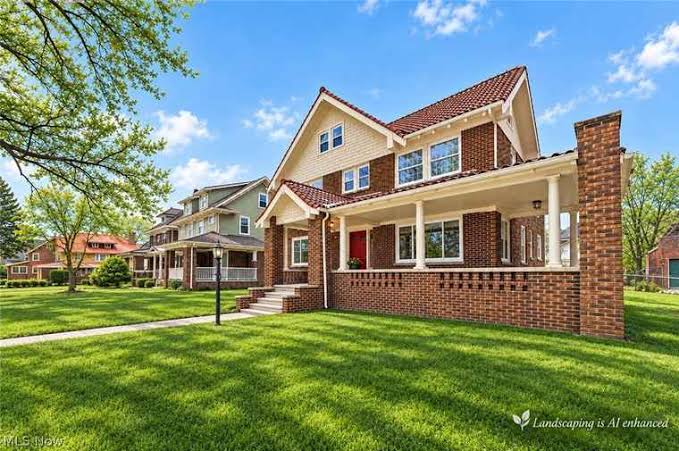
Greater Cleveland offers everything from city condos and century homes to newer subdivisions and estate-style properties. Older homes can provide distinctive architecture, mature landscaping, and established streetscapes, but buyers should budget for inspections and long-term upkeep. Newer homes may have more current layouts and systems. Urban areas can offer density and convenience, while suburban settings may offer more space, storage, and parking. Compare properties with similar age, condition, size, and location rather than relying on broad labels.
Watch for Development and Zoning Changes
Future development can change traffic patterns, nearby retail, construction activity, and the feel of a block. Before making an offer in Cleveland, review the City Planning Commission’s zoning and planning information for relevant maps, meetings, and public records. In any municipality, ask about nearby projects, road work, vacant land, proposed multifamily buildings, and commercial plans. Development is not inherently positive or negative; it is important in context.
Use Current Market Data With Care
Broad market headlines can be useful, but they do not replace neighborhood-specific comparisons. Look at recent closed sales for homes that closely match the one you are considering in condition, size, age, and setting. Also, review time on market and how final sale prices compare with original list prices. A renovated, move-in-ready home should not be compared to a nearby property that needs substantial work.
Build a Simple Neighborhood Scorecard
Use the same scoring method for every area you visit. Assign each category a score from one to five, then write a short note explaining the score.
- Monthly cost: Does the full payment fit comfortably within your budget?
- Commute: Is travel time reasonable during busy periods?
- Home condition: Are the repair needs realistic for your budget and schedule?
- Daily services: Are essentials, recreation, and care options convenient enough?
- Long-term fit: Would the location still work if your needs changed?
Questions to Ask Before Choosing a Neighborhood
- What would an ordinary weekday feel like here?
- What costs will this location add beyond the mortgage?
- Are there planned road, zoning, or construction changes nearby?
- How competitive are comparable homes in this price range?
- What inspection issues are common for homes of this age and style?
Common Mistakes to Avoid
- Choosing based only on online photos or a single showing.
- Ignoring taxes, insurance, association fees, and repair reserves.
- Assuming all Cleveland neighborhoods or suburbs perform the same way.
- Overlooking the ongoing cost of a difficult commute.
- Failing to investigate nearby development before committing.
Conclusion
The best Greater Cleveland neighborhood is the one that balances affordability, convenience, comfort, and long-term fit for your household. Compare several areas, revisit your finalists at different times, verify local details, and use a written scorecard before making a final decision.