

Post Preview
Key Takeaways
- A mountain home should suit your actual travel habits, not only your ideal vacation plans.
- Road access, snow removal, utilities, and parking can shape everyday ownership.
- The purchase price is only part of the financial picture.
- Rental plans must be verified against local rules, permits, and HOA restrictions.
- Resale appeal often depends on convenience, condition, access, and location as much as views.
Table of Contents
- Location Matters Beyond the View
- Define How You Will Use the Home
- Calculate the Full Ownership Cost
- Review Winter Access and Parking
- Verify Rental Rules Before Making an Offer
- Inspect for Mountain Conditions
- Experience the Neighborhood in Every Season
- Final Buyer Checklist
- Conclusion
Buying a second home in Aspen, Colorado, can be as much about daily logistics as scenery. A dramatic mountain view, a ski-adjacent address, or a quiet wooded setting may inspire the search, but the right property also needs to work during winter weather, seasonal travel, routine maintenance, and future resale.
Buyers comparing Aspen and Snowmass homes may benefit from the local perspective of Aspen real estate agent Lex Tarumianz. Lex Tarumianz Realty provides property search tools, neighborhood guides, and buying and selling guidance for Aspen Snowmass and nearby communities. Its focus on local homes, land-use considerations, and mountain property types can help buyers ask more informed questions before making an offer.
1. Location Matters Beyond the View
In the Aspen area, location affects much more than what you see from the deck. Elevation, slope orientation, road grade, sun exposure, nearby traffic, and distance from town all influence how easily a home fits into your routine. A property that feels secluded and peaceful in summer may require a more deliberate plan during snow events or busy ski-season weekends.
Walkable in-town homes can simplify dining, errands, events, and transportation. Ski-access properties may appeal to frequent winter visitors. Residential areas farther from central Aspen can offer greater privacy, larger sites, or a quieter setting, but buyers should weigh those benefits against drive times and service access. The goal is not to choose the most convenient location for everyone. It is to choose the location that best matches your lifestyle.
2. Define How You Will Use the Home
Before touring extensively, decide what the second home needs to accomplish. A clear purpose makes it easier to rule out attractive but impractical options.
- Weekend retreat: Prioritize simple arrival, easy heating, gear storage, and low-maintenance outdoor areas.
- Seasonal family home: Consider bedroom flexibility, kitchen capacity, outdoor space, internet reliability, and room for visitors.
- Future retirement home: Look closely at stairs, access to services, winter mobility, and year-round livability.
- Part-time rental property: Treat legal eligibility, management costs, and owner-use limits as core purchase criteria.
- Long-term investment: Focus on durable demand drivers, condition, location, and a realistic holding period.
For example, a buyer planning ten winter weekends each year may value covered parking, ski storage, and quick access to the slopes more than a large yard. A family spending full summers in the Roaring Fork Valley may place greater value on outdoor living areas, work-from-home space, and convenient access to groceries and recreation.
3. Calculate the Full Ownership Cost
A mortgage payment is only one part of owning a second home. Build both a one-year operating budget and a five-year planning budget before narrowing the search. This exercise helps compare a newer condominium with an older single-family home on a more equal basis.
Budget Items to Review
- Mortgage principal and interest
- Property taxes and homeowners insurance
- HOA or condominium assessments
- Snow removal, landscaping, and exterior maintenance
- Heating, electricity, water, internet, and other utilities
- Property management, housekeeping, or rental management
- Furnishings, repairs, and seasonal opening or closing tasks
- Special coverage or mitigation work related to the property’s setting
High-end finishes may be appealing, but replacement and repair costs can be substantial. Older mountain homes deserve careful review of roofing, drainage, heating equipment, windows, plumbing, foundations, and retaining structures. A lower purchase price does not always mean a lower total cost of ownership.
4. Review Winter Access and Parking
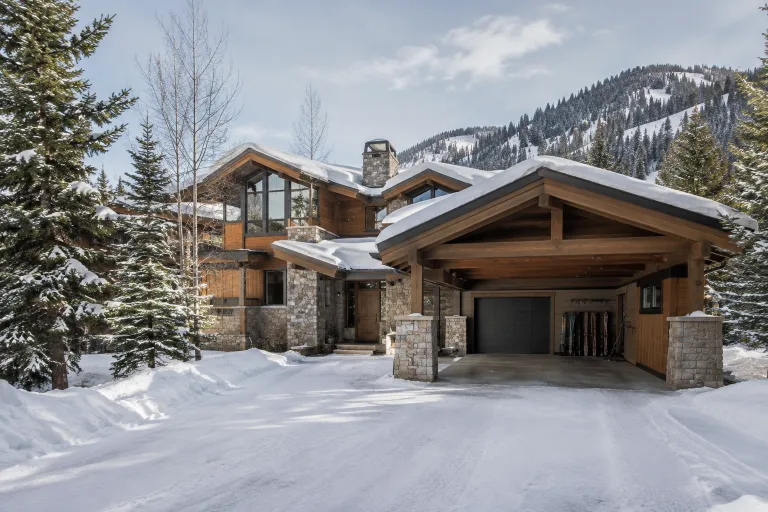
Study the final mile, not just the route into Aspen. Ask whether the driveway is steep, narrow, shared, shaded, or difficult to turn around in. Confirm who is responsible for plowing private roads and driveways, how service is arranged, and where guests can park when snowbanks reduce usable space.
Garage dimensions matter, especially when vehicles, skis, bicycles, snow tires, and seasonal equipment all need storage. If possible, drive the route at a busy time and return during different weather conditions. A short distance on a map can become a much longer trip when roads are icy, parking is constrained, or seasonal traffic is heavy.
5. Verify Rental Rules Before Making an Offer
Never assume a second home can be used as a short-term rental. Rules can depend on the municipality, zoning district, permit category, property type, HOA documents, and ownership structure. In Aspen, rentals of fewer than 30 days require a short-term rental permit and required licensing, and permit types can have different eligibility standards and operating conditions.
Confirm whether a permit is available for the exact address, whether an existing approval transfers, whether the property is in a capped area, and whether the HOA allows the intended use. Do not include projected rental income in your purchase plan until those questions have been answered in writing by the appropriate sources and professionals.
6. Inspect for Mountain Conditions
A standard inspection is important, but mountain properties can warrant additional specialist input. Ask inspectors to pay close attention to roof age and drainage, snow-load considerations, heating systems, insulation, windows, water supply, septic components where applicable, slopes, retaining walls, and signs of erosion.
Also evaluate backup power, mobile service, internet service, wildfire preparedness, tree health, and defensible-space maintenance. When a home has a private road, well, septic system, steep terrain, or unusual construction, bring in qualified specialists rather than relying on assumptions.
7. Experience the Neighborhood in Every Season
A second home is easier to enjoy when the surrounding area works beyond one holiday week. Visit at different times of day and, when possible, during both peak and quieter seasons. Listen for traffic, nightlife, construction activity, deliveries, and road noise. Check the practical distance to groceries, medical care, restaurants, transit, trails, and the activities that brought you to Aspen in the first place.
Review nearby development and land-use questions before committing. A strong four-season location can support your own enjoyment while also broadening the future buyer pool. The best long-term choice is often the home that remains convenient and comfortable after the novelty of the view has become part of everyday life.
8. Final Buyer Checklist
- Write down the home’s primary purpose and your expected number of visits.
- Choose several Aspen-area locations that fit that purpose.
- Prepare one-year and five-year ownership budgets.
- Verify zoning, rental, HOA, and land-use restrictions.
- Review roads, driveway conditions, parking, and snow-removal responsibilities.
- Inspect utilities, heating, drainage, roofs, slopes, and backup systems.
- Visit at different times and seasons when feasible.
- Compare resale factors before submitting an offer.
- Keep written records of permits, disclosures, estimates, and professional advice.
Conclusion
Also read: How to Choose Window Treatments for Hot, Sunny Rooms in Tampa, Florida
A second home in Aspen is both a lifestyle decision and a long-term financial commitment. The best fit is rarely defined by the largest view or the newest finishes alone. It is the property that supports your schedule, budget, access needs, maintenance tolerance, and plans for the years ahead. Careful due diligence turns a mountain-home search into a more confident and sustainable decision.