
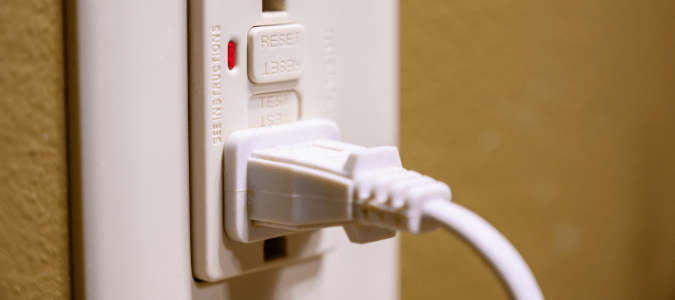
GFCI outlets are designed to shut off power quickly when they detect electrical leakage where it shouldn’t be, such as through water, damaged insulation, or a person. In kitchens and bathrooms, that protection matters because moisture, metal fixtures, and appliances increase the chance of small leakage currents. When a GFCI keeps tripping, it can feel random. Still, the device usually responds to a repeatable condition: a faulty appliance, a damp receptacle, a wiring issue, or a miswired line or load connection. Sometimes the cause is as simple as a worn hair dryer cord or a countertop appliance with moisture inside. Other times, it is a hidden problem, such as a shared neutral error, a nicked cable behind a backsplash, or an outdoor receptacle on the same circuit that is taking on water. The goal is to determine whether the GFCI is performing as intended by detecting a real hazard, or whether it is failing, aging, or connected in a way that increases the likelihood of nuisance trips.
Common causes and practical checks
- Moisture, Condensation, and Hidden Water Paths
Moisture is the most common cause of GFCI trips in kitchens and bathrooms, and it is not always visible. In bathrooms, steam from showers can condense inside an outlet box, especially if the box is on an exterior wall or near a vent that does not effectively vent humidity. Tiny droplets can create leakage paths across dust and residue, and the GFCI reads that as a fault. In kitchens, splashes around sinks, wet hands, and water dripping behind countertop appliances can seep into receptacles, especially if caulk lines at backsplashes are cracked, or the outlet cover is loose. Dishwashers and garbage disposals can also introduce moisture through wiring compartments or junction boxes under the sink. Another overlooked path is a plumbing leak inside the wall that slowly dampens the box, causing intermittent trips that seem unpredictable. If the GFCI trips more often during humid weather, after long showers, or after heavy dishwashing, moisture is a strong suspect. Drying the area, improving ventilation, and checking for leaks around supply lines, traps, and faucet bases can reduce the number of these trips. Also check for exterior outlets on the same circuit, because a wet outdoor receptacle can trip an indoor GFCI without obvious clues inside the home.
- Appliances and Cords That Leak Current
A GFCI can trip even when an appliance appears to be working normally, because it is looking for a small imbalance between the hot and neutral currents. In bathrooms, hair dryers, curling irons, and electric shavers often trip GFCIs when cords are frayed, plugs are loose, or internal heating elements have begun to break down. In kitchens, common offenders include toasters, kettles, coffee makers, air fryers, mixers, and portable hot plates, especially if they have been used near water or stored where moisture can collect. Motors and heating elements can develop minor leakage that becomes worse as the appliance warms up, which is why a trip may occur a few minutes after turning something on rather than immediately. A simple test is to unplug everything on that GFCI circuit, reset it, then plug in appliances one at a time until the circuit trips again. If one item consistently triggers the trip, retire it or have it serviced. If you are working with an electrician, such as JDV Electric, it helps to share which appliance caused the trip and how long it ran before it happened, because that detail can help distinguish a true equipment fault from a wiring or moisture issue.
- Wiring Problems: Load Side Connections and Shared Neutral Issues
If the GFCI trips with nothing plugged in, the issue may be in the wiring. Many kitchen and bathroom circuits use one GFCI to protect downstream outlets. That means outlets connected to the load terminals are also protected, and any fault on a downstream outlet can trip the upstream GFCI. A common problem is a nicked cable, a loose neutral, or moisture in a downstream box that causes the GFCI to open even though the device itself is in a different room. Another issue is a miswired GFCI in which the line and load are reversed, which can cause confusing behavior and unreliable resets. Shared neutral or multi-wire branch circuits can also cause nuisance tripping if neutrals are not handled correctly in the panel or if circuits are mixed improperly. Loose connections at receptacles, especially older backstabbed connections, can create heat and leakage paths that the GFCI detects. In kitchens, remodeling can introduce wiring damage behind tile backsplashes or inside cabinets where screws and nails are used. If trips occur under no-load conditions or resets are inconsistent, a wiring inspection is safer than repeated resets because the GFCI may be warning about a real fault.
Stop Trips by Finding the Pattern
GFCI outlets keep tripping in kitchens and bathrooms because these spaces combine moisture, appliances, and heavy daily use, all of which increase the chance of small leakage currents. The fastest way to identify the cause is to look for patterns: trips after showers or after dishwashing suggest moisture; trips tied to a specific appliance suggest a failing device or cord; and trips with nothing plugged in suggest a downstream wiring or box issue. Remember that one GFCI can protect multiple outlets, so a fault in a different location can still trigger the same reset point. Aging GFCI devices and improper ratings for damp locations can also increase nuisance tripping. By isolating loads, checking for moisture paths, and addressing wiring issues when trips occur under no-load conditions, you can restore reliable power and keep the safety protection working as intended.