
Your AC compressor is the outdoor unit’s workhorse, pushing refrigerant through the system so it can move heat out of your home. When the compressor starts to fail, symptoms often appear gradually, then worsen suddenly during the first real heat wave, when the system has to run longer. The tricky part is that many early signs resemble common AC problems, such as weak cooling or longer run times, so homeowners may adjust the thermostat setting or replace the filter and hope it improves. A better approach is to watch for patterns that indicate compressor strain, electrical issues, or refrigerant problems that can damage the compressor over time. Catching the warning signs early can sometimes prevent a total shutdown and can help you plan repairs before the hottest days arrive.
Signs that show up first
- Longer Run Times and Cooling That Feels Uneven
One of the earliest signs of compressor trouble is a system that runs longer to reach the same indoor temperature, even though airflow from the vents seems normal. If the blower is moving air but the air is not as cool as it used to be, the outdoor unit may be struggling to compress refrigerant effectively. This can happen when internal compressor components wear, when valves inside the compressor leak, or when the system has been operating under stressful conditions such as low refrigerant or restricted coils. Uneven cooling can also occur, with certain rooms never feeling comfortable because the system is losing capacity and can no longer keep up during peak afternoon heat. Another clue is higher energy use without a clear explanation. As the compressor becomes less efficient, it may draw more power or run more often to do the same job. While other issues can cause similar symptoms, the combination of longer cycles and reduced cooling performance, especially when filters are clean and vents are open, is a reason to pay closer attention to the outdoor unit behavior.
- Strange Noises, Hard Starts, and Repeated Cycling
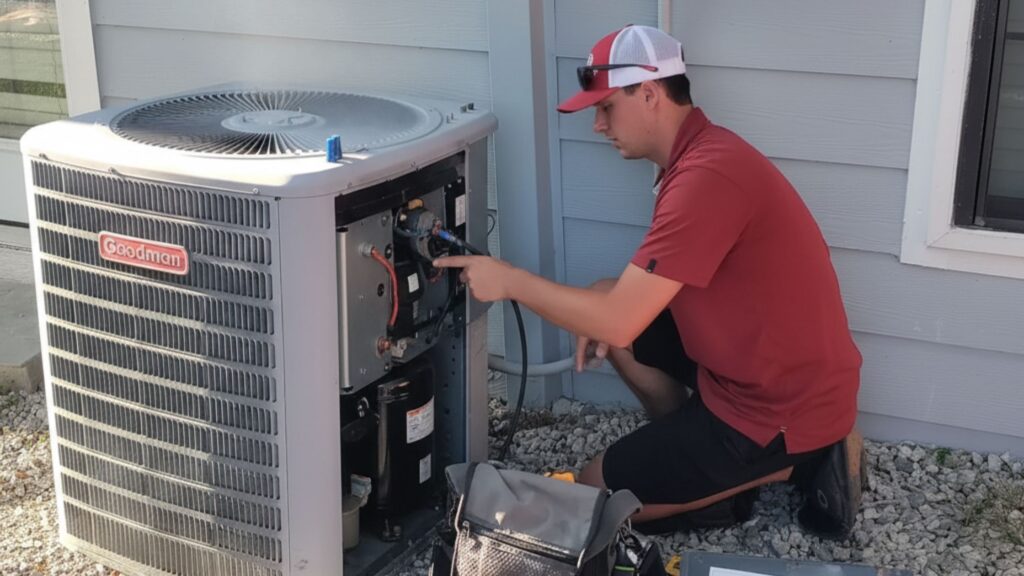
Compressors usually become louder in a specific way when they are struggling. A deep humming that sounds heavier than normal, a metallic clicking, or a brief grinding noise at startup can indicate internal wear or electrical stress. Another common sign is hard starting, where the outdoor unit tries to start, hesitates, then either kicks on with a rough sound or shuts off again. This can be tied to weak start components, such as a failing capacitor, but repeated hard starts also stress the compressor and can accelerate failure. Short cycling is another pattern in which the system turns on and off more frequently than usual. That can happen when the compressor overheats, when pressure conditions are abnormal, or when protective controls shut it down. If you notice the outdoor unit starting and stopping every few minutes, especially during hotter weather, that is not just an annoyance; it is a wear amplifier. Homeowners sometimes first notice these behaviors when scheduling maintenance with a company like Long Heating and Cooling, because a technician can measure electrical draw and start behavior to see whether the compressor is being strained or if another component is causing the problem.
- Electrical and Outdoor Unit Clues You Can Observe Safely
Without opening panels, you can still notice several useful clues outside. An overheating compressor may cause the outdoor unit to feel unusually hot on the top grille, or you may notice the unit shutting off while the thermostat is still calling for cooling. You may also see the lights dim slightly when the unit starts, which can indicate a high inrush current. Another visible clue is a fan that runs but does not appear to be circulating warm air, suggesting the refrigerant cycle is not transferring heat properly. Conversely, if the fan runs and you feel very hot air blasting out, yet indoor cooling is poor, the system may be operating under abnormal pressure conditions. Ice can be a clue, too. If you see frosting on the refrigerant lines or the outdoor unit, that points more toward low refrigerant or airflow issues, but if those conditions persist, they can damage the compressor. Also, pay attention to breaker trips. If the AC breaker trips repeatedly, it can be a sign of electrical trouble in the compressor, though wiring and other components may also be involved. Repeated breaker trips should not be ignored, as resetting without diagnosis can cause further damage.
Act Early Before a Full Breakdown
Early warning signs of a failing AC compressor often include longer run times, reduced cooling capacity, unusual startup noises, short cycling, and electrical stress symptoms such as dimming lights or repeated breaker trips. Many of these signs overlap with other AC problems, but patterns around hard starts, overheating, and declining capacity can point toward compressor strain. The safest approach is to avoid repeated resets and instead document what you notice: how often it cycles, what it sounds like, and when symptoms occur. A technician can determine whether the issue is a start component, a refrigerant problem, a coil restriction, or internal compressor wear. Acting early can prevent a minor issue from escalating into a full shutdown during the hottest part of the season and give you clearer options for repair planning and long-term system reliability.