

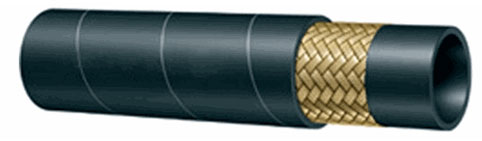
A hydraulic hose does not announce itself when it is about to fail. One day, it is working fine, and the next, you are dealing with a leak, a pressure drop, or worse — a blowout in the middle of an ongoing operation. The cost is not just the hose itself. It is the downtime, the safety risk, and the repair work that follows.
The good news? Most premature hose failures are preventable. And the difference between a hose that lasts two years and one that barely makes it past six months often comes down to a few basic decisions.
Let’s break it down.
Choose the Right Hose for the Job
This sounds obvious, but it is perhaps the most common mistake made during procurement. Not every hydraulic hose is built for every application. A hose rated for moderate pressure will wear out fast in a high-pressure system. A hose designed for petroleum-based fluids will degrade when exposed to water-based or synthetic fluids.
Before selecting a hose, check three things: the working pressure of your system, the type of fluid being transferred, and the temperature range the hose will regularly face. The SAE J517 standard provides guidance on hydraulic hose specifications and is widely used as a reference point by engineers across industries.
Getting this right from the start saves a lot of problems later.
Bend Radius: Small Detail, Big Consequences
Every hydraulic hose has a minimum bend radius — the tightest curve it can handle without internal damage. Push it tighter than that, and the inner tube begins to crack or kink. You may not see the damage immediately. But the hose is already weakening from the inside.
Here is why this matters in real installations: hoses are often routed through tight spaces, around machinery, or along frames where space is limited. In those situations, it is easy to install a hose that looks fine but is actually bent beyond its rated limit.
Use the manufacturer’s specified minimum bend radius as a hard limit, not a guideline. If the routing requires a tighter curve, use a fitting with an elbow or angle to compensate.
Protect the Outer Cover
The outer cover of a hydraulic hose is your first line of defence. It protects the reinforcement layers underneath from abrasion, UV exposure, and chemical contact. Once the cover is worn through, moisture and contaminants reach the reinforcement wires. Rust sets in. The hose’s pressure rating drops — quietly, and without warning.
Watch the Fittings, Not Just the Hose
A hydraulic hose assembly is only as reliable as its end fittings. Loose fittings cause leaks. Over-crimped fittings damage the hose end and concentrate stress at the attachment point. Both are failure modes that engineers sometimes overlook when inspecting a system.
Check fittings regularly for signs of leakage, corrosion, or movement. If a fitting shows any play or weeping, replace the assembly — not just the fitting. By that point, the hose end has likely been compromised as well.
Also, make sure the fitting material is compatible with the fluid and the environment. Brass fittings, for instance, are not suited to every hydraulic fluid or ambient condition.
Set Up a Replacement Schedule Before Failure Happens
Waiting for a hose to fail before replacing it is a reactive approach that most industrial operations cannot afford. A better practice is to establish a replacement interval based on operating conditions, fluid type, and the manufacturer’s recommended service life.
The Fluid Power Society and various hydraulic system standards recommend periodic inspection at set intervals, with replacement based on visible wear, age, or operating hours — whichever comes first. In high-cycle or high-pressure systems, that interval should be shorter.
Keep a log of each hose assembly: installation date, location in the system, and inspection history. It takes minimal effort but gives you an early warning before a failure disrupts your operation.
Storage Matters More Than Most People Realise
Hoses degrade before they are even installed if they are stored poorly. Exposure to direct sunlight, ozone, extreme temperatures, or improper coiling accelerates aging in the rubber compounds. A hose that sat in an open yard for two years before installation may already be compromised at the molecular level — even if it looks fine.
Store spare hoses in a cool, dry place away from direct sunlight and away from electric motors, which emit ozone. Coil them loosely, or hang them straight. The ISO 6945 standard outlines recommended storage conditions for rubber hoses, and following it is worth the effort.
read more : https://quik-console.com/
Final Thought
Most hydraulic hose failures share a common thread: they were predictable. The hose was misspecified, or bent too tightly, or left unprotected in a harsh environment. None of these is an unavoidable problem — they are decisions, and they can be made differently.
Pay attention to how your hoses are selected, installed, protected, and maintained. That attention pays back in fewer failures, lower replacement costs, and safer operations.