

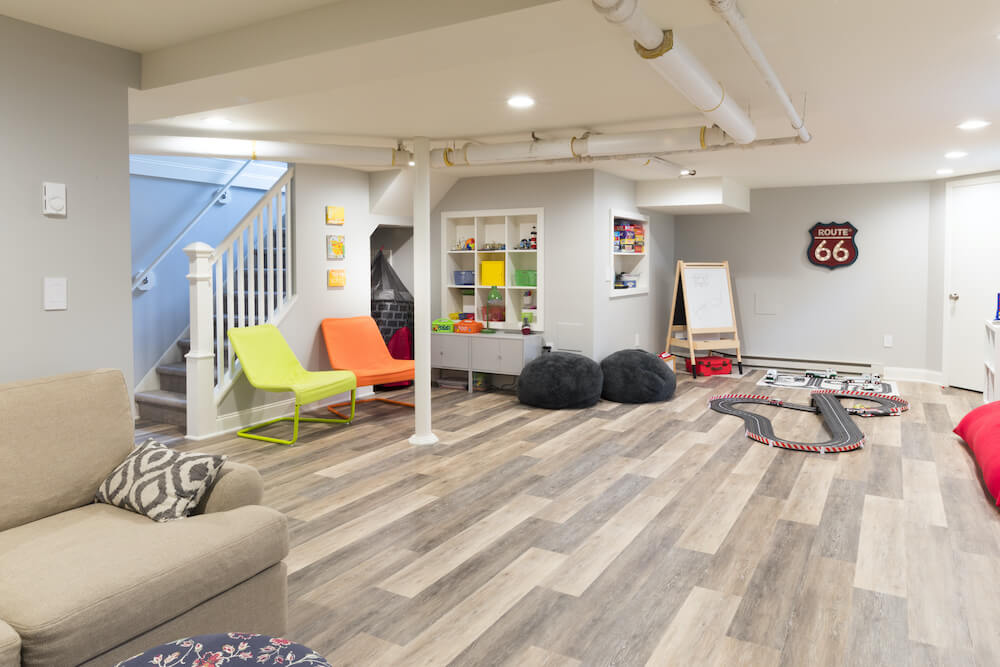
An old basement can feel like a punishment room. It holds broken chairs, paint cans, holiday boxes, exercise equipment no one uses, and the strange smell nobody wants to discuss. Many families walk downstairs only when they need a suitcase, a screwdriver, or a place to hide clutter before guests arrive. The basement becomes the house’s apology, useful but unloved.
A basement can also become the room everyone fights to use. It can become a teenager’s private lounge, a grandparent’s calm guest suite, a child’s playroom, a parent’s workout zone, a music room, a movie den, or a family hangout that takes pressure off the main floor. The difference is not only money. The real difference is planning around the person who will use it.
A good basement conversion starts with one question: who needs this space most? A family with young children may need a padded playroom that can survive glue, markers, toy trucks, and wet boots. A family with older children may need a place where teenagers can be loud without taking over the living room. A parent working long hours may need a quiet gym or reading room. A household with frequent guests may need a warm, safe sleeping area.
Climate also matters. A basement in Michigan has different problems than a basement in Florida, Arizona, Oregon, or Colorado. Cold regions need insulation and heating. Humid regions need moisture control before decoration. Hot dry areas need air circulation, dust control, and protection from stale air. A basement should match the local climate before it tries to match a Pinterest photo.
The best basement is not the fanciest one. It is the one that solves a real family problem. It gives one person, or the whole household, a place that feels personal, comfortable, and easy to use every week.
Start With the Basement You Actually Have
A basement project should begin with inspection, not furniture. Many old basements hide problems behind stored boxes and dim lighting. Before choosing sofas, screens, rugs, or paint colors, clear enough space to see the walls, floor, ceiling, corners, windows, and utility areas.
Moisture is the first issue to check. A damp smell, white powder on walls, peeling paint, rusted metal, soft drywall, warped trim, or dark spots near corners can point to water problems. A basement with moisture issues should not become a bedroom, playroom, or home theater until the cause is handled. Paint and flooring can hide the problem for a short time, but trapped moisture usually returns.
Waterproofing may involve cleaning gutters, extending downspouts, grading soil away from the house, sealing cracks, installing a sump pump, adding drainage, or using a dehumidifier. Some fixes are simple. Others need a contractor. The key point is clear: do not decorate a wet basement and call it finished.
Air quality matters as much as dryness. Basements often have limited windows and poor airflow. A room can look good but still feel stale after twenty minutes. If the basement will become a family room, office, gym, or bedroom, it needs ventilation. That may mean adding return air, improving HVAC access, using an energy recovery ventilator, or placing a dehumidifier with a drain line.
Ceiling height sets the tone for the whole project. A low basement can still become useful, but it may not suit every idea. A low ceiling can work for a kids’ playroom, music practice space, game room, craft area, or gym with seated equipment. It may feel awkward as a formal guest suite or luxury theater. Tall family members also need to test the space before the plan gets too far.
Lighting can change a basement quickly. Many old basements rely on one exposed bulb, one fluorescent strip, or a few harsh ceiling fixtures. That makes the room feel unfinished even after renovation. A usable basement needs layers of light: ceiling lights for general use, lamps for comfort, task lighting for desks or crafts, and soft accent lights for movie nights or gaming.
Electrical capacity deserves attention early. A basement used for gaming, exercise equipment, home office work, mini-fridges, audio gear, or a projector needs enough outlets in the right places. Extension cords running across the floor make the room look temporary and can create safety issues. Older wiring may need an upgrade before the space becomes active.
Access is another practical limit. Furniture has to fit down the stairs. Large sectionals, heavy cabinets, full-size mattresses, and gym machines may not turn through narrow basement doors. Measure stair width, ceiling clearance, landing depth, and door openings before buying anything. Many good basement plans fail because the dream sofa cannot physically enter the room.
Safety should sit behind every decision. If someone will sleep downstairs, check local rules for emergency exits, windows, smoke alarms, carbon monoxide alarms, ceiling height, and electrical work. A basement can feel private and cozy, but it still needs a safe way out.
A family basement becomes more comfortable when the boring work comes first. Dry walls, safe wiring, steady temperature, clean air, and proper lighting create the base. After that, the fun parts have a chance to last.
Choose the Right Heaven for the Right Person
A basement becomes special when it has a clear owner in mind. The owner does not have to be one person forever, but the design should serve someone’s real daily life. A vague “extra room” often becomes clutter again. A room built for a teenager, grandparent, young child, parent, or whole family has a stronger purpose.
A teenager’s basement heaven needs privacy without complete isolation. Teenagers often want space away from the main living room, but parents still need the room to feel safe and visible enough. A good teen basement can include a gaming setup, desk, sofa, music corner, mini-fridge, and storage for sports bags or school items. Durable flooring matters because snacks, shoes, backpacks, and friends will test the room.
Sound control is important for teenagers. Gaming, music, videos, and late-night conversations can carry upstairs. Rugs, acoustic panels, curtains, upholstered furniture, bookshelves, and soft wall treatments can reduce echo. Full soundproofing costs more, but even simple changes can make the room less disruptive.
A basement for younger children needs safety and easy cleanup. Soft flooring, rounded furniture, washable paint, low storage, and clear zones help the room work. One corner can hold toys. Another can hold art supplies. A third can become a reading spot with floor cushions and shelves. Parents should avoid overfilling the room because children need open floor space more than elaborate furniture.
A child’s basement playroom works best when adults can reset it quickly. Large labeled bins, wall hooks, cubbies, and closed cabinets make cleanup easier. If every toy has a place, the basement has a better chance of staying useful. Without storage, the playroom becomes a toy swamp.
A parent’s basement retreat should not feel like leftover space. Many adults dream about a workout room, reading room, craft room, music corner, or quiet office, but they often give the best rooms to everyone else. A basement can become the adult room that finally stays adult. It may need a small desk, a proper chair, warm lighting, shelves, exercise mats, weights, or a simple coffee corner.
A home gym basement needs different planning than a lounge. Flooring should handle impact, sweat, and equipment weight. Rubber flooring, vinyl, or sealed concrete can work better than carpet. Mirrors can help with form, but they need secure installation. Ventilation matters because a basement gym gets stuffy fast. Ceiling height also matters for overhead lifts, jump rope, pull-up bars, and tall machines.
A grandparent or guest basement needs warmth, light, and safe movement. A guest suite should not feel like someone was placed beside the furnace. Good lighting at the stairs, non-slip flooring, a firm chair, accessible outlets, a comfortable bed, and nearby bathroom access matter more than trendy decor. If an older family member will stay often, avoid deep sofas that are hard to stand up from.
A basement can also serve the whole family. A movie room, sports lounge, board game room, library, or indoor hangout can bring people together without making the main floor messy. This kind of basement needs seating variety. Some people want a sofa. Some want floor cushions. Some want a table for snacks, puzzles, or cards. A family room works better when it supports different habits at the same time.
A good basement plan can combine uses, but it should not combine too many. A room that tries to be a gym, office, playroom, guest room, laundry room, cinema, and storage unit usually fails. The better choice is to pick one main purpose, then add one or two supporting functions. A teen lounge can include a study desk. A playroom can include a parent reading chair. A gym can include a stretching and recovery corner.
The goal is not to copy someone else’s finished basement. The goal is to ask which family member needs comfort, privacy, movement, quiet, or fun, then build around that need.
Design Around Climate Before You Design Around Style
Climate can decide whether a basement feels like heaven or a problem with furniture. The same design does not work everywhere. Materials, heating, cooling, ventilation, and storage choices should reflect the weather outside the house.
Cold climates need warmth from the floor up. In places with long winters, such as Minnesota, Wisconsin, Michigan, northern New England, parts of Canada, and mountain regions, basement floors can feel cold even when the upstairs feels comfortable. Concrete holds a chill. Thin rugs do not fully solve it. Insulated subfloor panels, carpet tiles, cork, luxury vinyl with underlayment, or radiant heat can make a major difference.
A cold-climate basement can become a winter family shelter. It can hold a movie room with deep seating, a reading den with warm lamps, or a game room where children can burn energy when outdoor play is limited. The design should use warm lighting, soft textures, blankets, and layered flooring. A basement that looks stylish but feels cold will not get used.
Snow and freeze-thaw cycles also affect moisture. Water can enter through cracks or around foundations when snow melts or ground pressure shifts. A family in a cold area should check foundation walls after storms and thaw periods. Waterproofing and drainage may not be exciting, but they protect the room from expensive damage.
Humid and rainy climates need moisture control before comfort. In places such as Florida, coastal Georgia, Louisiana, the Pacific Northwest, and parts of the Northeast, basements may deal with high humidity, heavy rain, or damp soil. Carpet can become risky if the room is not fully dry. Mold-resistant drywall, dehumidifiers, tile, sealed concrete, vinyl flooring, and washable surfaces often make more sense.
A humid-climate basement can still become a great family space, but it needs a less delicate design. A children’s playroom can use foam mats that can be lifted and cleaned. A gym can use rubber flooring and a wall-mounted fan. A hobby room can use sealed storage bins instead of cardboard boxes. Raised shelving can protect items if minor water appears.
Coastal areas may need extra care with metal items, fabrics, and air movement. Salt air and humidity can damage tools, musical equipment, and electronics over time. A basement music room near the coast needs humidity control. A home theater in a humid region needs good airflow around equipment. A basement office should not store papers and books against exterior walls.
Hot climates can make basements valuable because they may stay cooler than upper floors. In places such as Arizona, Nevada, southern California, Texas, and parts of the Southeast, a basement can become a summer refuge. The challenge is avoiding stale air, trapped heat from electronics, and poor lighting. A cool room still needs fresh air.
A hot-climate basement works well as a children’s summer playroom, home office, media room, or workout area if cooling and ventilation are planned properly. Light wall colors, ceiling fans where height allows, air filtration, and smart lighting can keep the room from feeling like a cave. Electronics should have space to breathe, especially in gaming rooms and theaters.
Dry desert climates have their own basement issues. Dust, dry air, and temperature swings can affect comfort. A basement art studio, music room, or library in a dry region may need air filtration and balanced humidity. Wood instruments, books, and certain furniture can suffer when the air becomes too dry. Sealing gaps and using good filters can reduce dust buildup.
Mixed climates need adaptable design. Some places get humid summers and cold winters. In those areas, the basement should handle both. Use materials that tolerate moisture but still feel warm. Choose lighting that works during dark winter months and hot summer afternoons. Plan HVAC so the room does not become freezing in January and stale in August.
Climate should also shape storage. Cardboard boxes do poorly in damp basements. Plastic bins with lids work better in humid areas. In dry, dusty areas, closed cabinets protect items. In cold regions, avoid storing delicate items against exterior foundation walls unless the wall is insulated and dry.
A basement can feel wonderful in any climate, but it has to respect the conditions around it. Style comes after comfort, dryness, air, and temperature.
Build the Feeling With Light, Sound, Warmth, and Storage
A basement becomes loved when it feels finished in the body, not only in photos. People notice the temperature, sound, smell, lighting, and floor before they notice wall art. If the room feels cold, echoey, cluttered, or dim, family members will drift back upstairs.
Lighting should be planned in layers. Recessed lights can brighten the room, but they should not be the only source. Lamps make corners feel calm. Wall lights help in low-ceiling spaces. LED strips can work behind screens, under shelves, or along stairs. Task lights help at desks, craft tables, reading chairs, and workbenches.
Warm bulbs usually suit family basements better than harsh white light. A movie room, teen lounge, reading space, or guest suite needs a softer tone. A gym, workshop, or craft room may need brighter task lighting. Dimmer switches give the room more range, especially when the basement serves more than one purpose.
Natural light should be used where possible. If the basement has windows, keep them clear. Avoid blocking them with shelves or storage. Light curtains can soften the view without making the room feel sealed. Mirrors placed carefully can help move light, but too many mirrors can make a low basement feel strange.
Sound control changes how people behave in the room. A basement with bare concrete, drywall, and hard flooring can echo badly. That echo makes voices louder, games sharper, and music messier. Rugs, curtains, fabric panels, upholstered seating, cork boards, and bookshelves can soften the sound.
A family movie room needs different sound choices than a children’s playroom. A movie room benefits from soft surfaces, a heavy rug, curtains, and seating that absorbs sound. A playroom needs sound control that can survive rough use. A teen music room may need acoustic panels, door sealing, and rules about practice hours.
Warmth is emotional as well as physical. Basements often feel lower, darker, and more separate from the rest of the house. Warm materials can help. Wood tones, soft rugs, textured blankets, fabric lampshades, cork boards, books, framed photos, and comfortable seating all make the space feel more human. Even durable rooms need some softness.
Furniture should match basement realities. Low-profile sofas can work well under low ceilings. Modular seating is easier to move downstairs than one huge couch. Storage benches can provide seats and hide toys. Folding tables can help when the room needs to shift from crafts to games to family meals. If the room will host many people, mix sofas, chairs, ottomans, and floor cushions rather than relying on one seating type.
A basement café corner can make the space feel special. A small table, two chairs, a coffee station, shelves, and warm lighting can turn an unused corner into a morning retreat or homework spot. Some families reuse old kitchen pieces or even repurpose sturdy restaurant dining chairs for a casual snack and game area because they can handle daily wear.
Storage decides whether the basement stays beautiful after the first month. Basements attract clutter because they sit out of sight. A good design needs closed storage for items that do not belong to the room. Holiday bins, tools, sports gear, and extra supplies should have a defined zone. If storage has no boundary, it will spread.
Built-ins can help, but they are not always required. Wall shelves, metal racks, cabinets, labeled bins, under-stair drawers, and pegboards can work well. The trick is to separate active storage from dead storage. Active storage holds items used in the room, such as games, toys, blankets, workout gear, or art supplies. Dead storage holds seasonal or rarely used items and should stay behind closed doors or in a utility zone.
Zoning makes a basement easier to live in. A large open basement can feel confusing if everything floats in the middle. Use rugs, lighting, shelves, furniture placement, and paint to create zones. A family room might have a screen zone, a game table zone, a snack zone, and a storage wall. A children’s room might have a reading corner, art table, toy area, and open floor.
Utility areas should be respected, not ignored. Furnaces, water heaters, panels, pumps, and pipes need access. Hiding them behind permanent furniture or sealed walls can cause trouble later. Use doors, screens, curtains, or removable panels that keep the room neat while preserving access.
The feeling of the basement comes from dozens of small choices. Good light, controlled sound, steady warmth, and smart storage can make a modest basement feel better than an expensive one with poor planning.
Match the Budget to the Family Need
A basement does not need a luxury renovation to become useful. Some families need a full remodel. Others need a clean, dry, well-lit room with better seating and storage. The right budget depends on the basement’s condition and the room’s purpose.
A low-budget basement upgrade can start with cleaning, sorting, and removing what no one uses. Many basements feel smaller than they are because they hold years of indecision. Donate, sell, recycle, or throw away items that no longer serve the household. Keep only what deserves space.
Paint can change a basement quickly. Light neutral colors can brighten low ceilings and dark walls. Warm white, soft gray, pale beige, muted green, or gentle blue can work depending on the use. Avoid very dark paint in a basement with limited lighting unless the room is meant to be a theater and has enough lamps.
Rugs and peel-and-stick flooring can help a low-budget project, but choose based on moisture risk. In a dry basement, large washable rugs can make a playroom or lounge feel finished. In a damp basement, rugs should be easy to lift and clean. Peel-and-stick tiles can improve appearance, but they need a clean, dry, stable surface.
Lighting is one of the strongest low-cost upgrades. Floor lamps, table lamps, plug-in wall sconces, LED strips, and brighter bulbs can make the room usable immediately. A dark basement can feel like storage even when it has good furniture. Better lighting tells the family the room is meant to be used.
Secondhand furniture can work well downstairs. A basement teen lounge or playroom does not need showroom pieces. It needs sturdy seating, washable covers, tables that can take abuse, and storage that can survive daily use. Used bookshelves, old dressers, modular cubes, and simple cabinets can become basement workhorses.
A mid-range upgrade may include flooring, insulation, ceiling work, built-in storage, electrical improvements, and better climate control. This level suits families who plan to use the basement weekly. A mid-range budget can turn a half-finished basement into a real family zone without adding a bathroom or major plumbing.
A teen lounge might use vinyl plank flooring, painted walls, acoustic panels, a sectional, gaming desk, LED lighting, and closed storage. A children’s basement might use washable wall paint, foam tiles, toy cabinets, a reading nook, and a craft table. A parent gym might use rubber flooring, mirrors, fans, wall storage, and proper outlets.
A high-budget transformation changes the structure of the basement. It may add a bathroom, guest suite, kitchenette, laundry room upgrade, full theater, custom cabinets, egress windows, new HVAC, or underfloor heating. This level makes sense when the basement will add serious daily use or support long-term family needs.
A basement guest suite needs the highest level of planning. Sleeping space, bathroom access, emergency exit, ventilation, heating, cooling, lighting, sound control, and privacy all matter. A finished suite can help with visiting relatives, older children, or multigenerational living, but it should meet code and feel dignified.
A full basement apartment or in-law suite needs even more care. Some areas have zoning rules, permit requirements, ceiling height rules, egress standards, and limits on kitchens or rental use. A family should check local requirements before building. Guessing can create problems later when selling the house or filing insurance claims.
The budget should follow the purpose. Spending heavily on a home theater makes sense for a family that watches movies together every week. It makes less sense for a household that only needs a quiet homework room. A small tea and reading corner for a grandparent may need less money and more thought. A good chair, a lamp, a side table, family photos, and a warm rug can feel more personal than a room full of expensive equipment.
The smartest basement budget does not start with “How much can we spend?” It starts with “What do we need this room to do?” Once the need is clear, money can go to the parts that matter.
Real Basement Ideas for Different Family Members
A teenager’s gaming and study basement can solve several household problems at once. The teenager gets privacy. Parents get the living room back. Younger siblings get fewer arguments over the main TV. The room needs a desk, comfortable chair, gaming setup, sofa or lounge seating, cable management, trash bin, snack storage, and rules about cleaning.
A good teen basement should not become a dark hole. Add strong task lighting at the desk, soft background lights near the seating, and enough outlets for equipment. Use a rug or acoustic panels to reduce noise. Add a small whiteboard, corkboard, or shelf for school items so the room does not become only a gaming cave.
A young child’s play basement should invite movement. Children need room for blocks, train tracks, costumes, puzzles, and messy projects. A padded floor area, low shelves, washable table, art cart, and reading corner can make the space useful. A small indoor climbing mat or soft tumble zone can help in cold or rainy climates when outdoor play is limited.
A playroom should include adult seating. Parents often design children’s rooms with only children in mind, then avoid spending time there because there is nowhere comfortable to sit. One real chair for an adult can change the room. It allows a parent to read, work, fold laundry, or supervise without standing in the doorway.
A grandparent retreat should focus on dignity and ease. The room should have a real bed or firm sofa bed, a chair with arms, a side table, warm light, easy-to-reach outlets, and clear walking paths. Avoid loose rugs that slip. Add night lighting near stairs or the bathroom route. Use simple controls for lamps, fans, and television.
A guest basement should not feel like storage with a mattress. If the room must share space with seasonal items, hide them behind curtains, cabinets, or a clean storage wall. Guests should not wake up beside plastic bins and old tools. Even a modest basement guest space can feel thoughtful when it is clean, dry, warm, and uncluttered.
A parent wellness room can be small and still powerful. Many adults do not need a full spa or gym. They need a place where no one dumps backpacks, toys, or laundry. A basement corner can hold a yoga mat, adjustable dumbbells, a bench, a reading chair, a lamp, and a small shelf. The main rule should be that the space does not become overflow storage.
A family movie basement works best when it includes comfort beyond the screen. A projector or large TV matters, but seating, sound, blankets, lighting, and snack storage matter just as much. Use dimmable lights, a soft rug, washable throws, and a cabinet for games and movies. Add floor cushions for children so the sofa is not the only option.
A sports basement can bring people together without making the upstairs noisy. A TV wall, small fridge, durable table, stools, team memorabilia, and easy-clean floors can create a casual hangout. Add a board game shelf or card table so the room still works when no game is on.
A music basement needs sound planning. A drummer, guitarist, pianist, or singer needs a room that can handle practice. Rugs, acoustic panels, sealed gaps, and soft furnishings can help. Keep instruments away from damp exterior walls. In dry climates, monitor humidity. In humid climates, use a dehumidifier. Instruments do not like careless basements.
A hobby basement can support sewing, painting, model building, woodworking, collectibles, or repairs. This type of room needs work surfaces, task lighting, storage drawers, pegboards, ventilation, and durable flooring. A messy hobby room is not a failure if it is organized around the work. The goal is to keep supplies visible enough to use and contained enough to clean.
A homework and library basement can help larger families. Add desks, shelves, good lighting, charging stations, and quiet seating. Use rugs and fabric panels to reduce echo. A basement study space is useful when bedrooms are too distracting and the kitchen table is too busy.
A multi-use basement needs firm boundaries. One side can be storage. One side can be a lounge. One corner can be a desk. Use rugs, shelving, curtains, or furniture backs to divide the areas. Without boundaries, the loudest use usually takes over.
The best basement idea is the one the family will actually use. A wine room looks beautiful, but it does not help a family that needs a children’s play zone. A gym sounds productive, but it fails if nobody exercises downstairs. A simple, loved room beats a costly room built for show.
Mistakes That Ruin Basement Projects
The biggest basement mistake is decorating before fixing water. A fresh floor, new sofa, and painted walls cannot beat dampness. Moisture will return through smell, stains, mold, peeling paint, or warped materials. If the basement smells musty, solve that first.
Another common mistake is choosing the wrong flooring. Wall-to-wall carpet may feel warm, but it can become a problem in basements with moisture risk. Hardwood can warp. Cheap laminate can swell. Better choices often include vinyl plank, tile, sealed concrete, rubber flooring, carpet tiles, or rugs that can be removed. The best choice depends on the basement’s dryness and use.
Poor lighting can ruin an otherwise good room. One ceiling light makes a basement feel unfinished. A family room needs different lighting for cleaning, watching TV, reading, playing, and relaxing. The room should not feel like a garage when the movie ends.
Ignoring ventilation can make the space uncomfortable. A basement gym without airflow smells bad. A home office without fresh air feels tiring. A bedroom without proper ventilation is not healthy. Air quality should be part of the plan from the start.
Over-theming can make a basement age quickly. A sports room, gaming room, or kids’ room can have personality without turning every wall into a permanent theme. Children grow. Teenagers change interests. Adults get tired of novelty. Use decor, posters, lights, rugs, and accessories for personality. Keep expensive parts more neutral.
Buying furniture too early creates problems. Measure first. Plan the zones. Check stair access. Know where outlets, vents, windows, doors, and utility panels are. A huge sectional may block flow. A tall cabinet may hit pipes. A treadmill may not fit under the ceiling. Basement furniture needs practical sizing.
Forgetting storage almost guarantees failure. A basement attracts objects from every room upstairs. If the design does not include storage, clutter will return. Closed cabinets, shelves, bins, and utility zones protect the finished area from becoming a dumping ground.
Ignoring stairs is another mistake. The basement stairs are the entrance to the room. If they are dark, worn, slippery, or cluttered, the basement feels less inviting. Good lighting, a safe handrail, clean steps, and a clear landing make the room feel connected to the house.
Some families forget the person they were designing for. A basement meant for a teenager becomes a parent storage project. A playroom becomes too delicate for children. A guest room becomes the place where old furniture goes to die. Keep returning to the main user. Ask what would make the space easier, warmer, quieter, safer, or more fun for that person.
A final mistake is treating the basement as separate from family life. The best basement does not need to compete with the upstairs. It should solve what the upstairs cannot. It can provide noise control, privacy, play space, cooler summer air, winter comfort, hobby storage, guest privacy, or family movie nights. When the basement has a clear role, people go downstairs on purpose.
An old basement can become the most personal room in the house. It may start as a damp storage zone, a cold concrete box, or a forgotten laundry corner. With the right repairs, climate planning, lighting, storage, and purpose, it can become a family member’s favorite place. The best version is not built around trends. It is built around the person who needs that space most.