

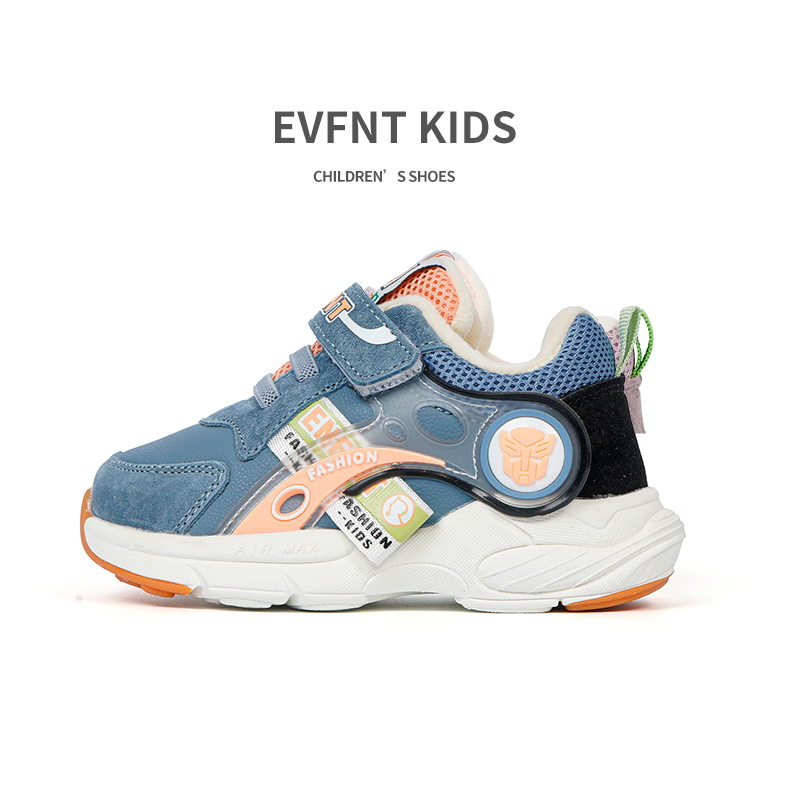
Finding the right partner for manufacturing children’s footwear is a critical decision for any business looking to produce high-quality, safe, and stylish shoes. The global market for kids’ shoes is dynamic, driven by trends in design, material innovation, and, most importantly, safety standards. When considering a manufacturing partner, especially in a hub like China, it’s essential to look beyond just cost. A reliable manufacturer will offer a blend of expertise, quality control, and ethical practices. For businesses seeking a comprehensive solution, exploring options like Bebenelle can provide insights into what a top-tier Chinese shoe manufacturer offers, from design to delivery.
Understanding the Kids’ Shoe Market
The children’s footwear market is unique, characterized by rapid growth, diverse age groups, and specific functional requirements. From infants taking their first steps to active toddlers and growing adolescents, each stage demands different shoe characteristics. Soft soles for newborns, flexible and supportive designs for walkers, and durable, stylish options for older children are all part of this complex landscape. Manufacturers must be adept at catering to these varied needs, understanding the biomechanics of developing feet, and incorporating features that promote healthy foot development.
Key Considerations for Kids’ Shoes:
- Safety: Non-toxic materials, secure fastenings, and slip-resistant soles are paramount. This includes testing for lead, phthalates, and other harmful substances often regulated by international standards.
- Comfort: Lightweight construction, breathable materials, and adequate cushioning are essential for active children. Ergonomic design ensures that the shoe supports the natural growth of the foot without restriction.
- Durability: Children’s shoes endure significant wear and tear—scuffing, running, jumping, and exposure to various elements. This necessitates robust construction techniques and high-quality materials that don’t easily degrade.
- Design: Appealing aesthetics that resonate with both children and parents are crucial for market success. This includes following seasonal color palettes, incorporating playful patterns, and ensuring the silhouette is modern.
- Fit: Proper sizing and fit are vital to prevent foot problems and ensure comfort. A good manufacturer provides a wide range of sizes, including half sizes and different width options to accommodate all children.
The Advantages of Manufacturing in China
China has long been a global leader in footwear manufacturing, offering a robust infrastructure, skilled labor, and competitive pricing. For businesses, partnering with a Chinese manufacturer can provide several strategic advantages:
1. Extensive Manufacturing Expertise
Chinese manufacturers often possess decades of experience in shoe production, ranging from traditional craftsmanship to advanced automated processes. This expertise translates into efficient production cycles, consistent quality, and the ability to handle complex designs. Many factories have specialized departments for different shoe types, including dedicated lines for children’s footwear, ensuring focused attention on specific requirements. This depth of knowledge allows them to troubleshoot potential production issues before they arise, saving brands time and money.
2. Vertically Integrated Supply Chains
One of the significant benefits of manufacturing in China is the presence of vertically integrated supply chains. This means that many manufacturers have direct access to raw material suppliers, component producers, and logistics providers within close proximity. This integration streamlines the production process, reduces lead times, and allows for greater control over material quality and cost. For instance, a manufacturer might have in-house capabilities for sourcing leather, textiles, and rubber, ensuring that all components meet stringent quality standards. This “one-stop-shop” approach reduces the complexity of managing multiple vendors.
3. Advanced Technology and Innovation
Chinese footwear factories are increasingly investing in advanced manufacturing technologies, including automated cutting machines, robotic stitching, and 3D printing for prototyping. This technological adoption not only enhances efficiency and precision but also allows for greater innovation in design and material use. Manufacturers can experiment with new eco-friendly materials, develop ergonomic sole designs, and implement sustainable production practices, keeping pace with global industry trends. The use of AI-driven design tools and automated quality checks further ensures that every pair of shoes meets high-precision standards.
4. Flexible OEM/ODM and Small-Batch Options
For brands looking to launch new product lines or customize existing designs, Chinese manufacturers offer flexible Original Equipment Manufacturer (OEM) and Original Design Manufacturer (ODM) services. OEM allows brands to produce their designs using the manufacturer’s facilities, while ODM involves the manufacturer designing and producing shoes based on a brand’s specifications. Many manufacturers also accommodate small-batch orders, which is particularly beneficial for startups or businesses testing new markets, reducing the risk associated with large inventory commitments. This flexibility is a game-changer for boutique brands that want to offer exclusive collections without the burden of massive production runs.
5. Global Recognition and Partnerships
Many Chinese shoe manufacturers have established strong reputations and partnerships with international brands across Europe, North America, and the Middle East. This global recognition is a testament to their adherence to international quality standards, ethical labor practices, and reliable delivery. Working with such manufacturers provides access to a wealth of experience in navigating international trade regulations and logistics. They are often well-versed in the specific compliance requirements of different regions, ensuring that products are ready for the global stage.
The Manufacturing Process: From Concept to Creation
A well-structured manufacturing process is the backbone of high-quality shoe production. A typical process involves several meticulous steps, each crucial for the final product’s integrity and appeal.
1. Material Sourcing and Testing
The journey begins with selecting appropriate materials. For kids’ shoes, this involves choosing durable, non-toxic, and comfortable options like genuine leather, breathable mesh, canvas, or eco-friendly synthetics. Materials undergo rigorous testing for strength, flexibility, and safety standards, ensuring they meet both regulatory requirements and brand specifications. Testing often includes checks for colorfastness, abrasion resistance, and chemical safety.
2. Design and Prototyping
Once materials are approved, the design phase commences. This involves creating detailed sketches, 3D models, and technical specifications. Prototypes are then developed to test the design’s aesthetics, functionality, and fit. This iterative process allows for adjustments and refinements before mass production. A good manufacturer will provide feedback on the “manufacturability” of a design, suggesting changes that can improve quality or reduce costs without compromising the vision.
3. Cutting and Stitching
Precision cutting machines, often laser-guided, are used to cut various components of the shoe from the selected materials. Skilled artisans then meticulously stitch these pieces together, forming the upper part of the shoe. This stage requires a high degree of craftsmanship to ensure clean seams, consistent tension, and structural integrity. For children’s shoes, double-stitching is often used in high-stress areas to ensure longevity.
4. Lasting and Shaping
Lasting is a critical step where the upper is stretched and molded over a last (a foot-shaped mold). This process gives the shoe its final shape and volume. The lasting process is crucial for ensuring proper fit and comfort, especially for children’s developing feet. Modern factories use automated lasting machines that apply consistent pressure, ensuring that every shoe in a production run is identical in shape and size.
5. Outsole Bonding and Pressing
The outsole, which provides grip and durability, is then attached to the lasted upper. This often involves a combination of strong, non-toxic adhesives and high-pressure presses to ensure a secure and lasting bond. For kids’ shoes, anti-slip properties and flexible materials are key considerations for the outsole. Some designs may also feature stitched-on soles for added durability.
6. Finishing and Quality Control
After assembly, shoes undergo a series of finishing touches, including cleaning, polishing, and adding laces or other embellishments. Each pair then goes through a rigorous quality control inspection to check for defects, ensure adherence to design specifications, and verify overall craftsmanship. This includes checking for loose threads, uneven soles, or any imperfections in the material.
7. Packaging and Shipping
Finally, the finished shoes are carefully packaged, often in branded shoeboxes with protective tissue and silica gel packs to maintain freshness. Efficient logistics and reliable shipping partners are essential to ensure timely delivery to retailers and distributors worldwide. Manufacturers often provide tracking and documentation support to simplify the import process for their clients.
Deep Dive: Safety Standards for Children’s Footwear
When manufacturing in China, understanding the regulatory landscape is vital. Different markets have different rules. For example:
- USA (CPSIA): The Consumer Product Safety Improvement Act mandates strict limits on lead and phthalates in children’s products.
- European Union (REACH): This regulation deals with the registration, evaluation, authorization, and restriction of chemicals.
- International Standards (ISO): Various ISO standards cover the physical and mechanical properties of footwear, such as slip resistance and seam strength.
A top-tier manufacturer will have an internal laboratory or work with third-party testing houses like SGS or Intertek to ensure every batch of shoes complies with these regulations. This level of diligence protects the brand from legal issues and, more importantly, protects the children who wear the shoes.
Material Innovation and Sustainability
The footwear industry is moving toward a greener future. Chinese manufacturers are at the forefront of this shift, offering innovative materials such as:
- Recycled Polyesters: Made from plastic bottles, these are used in shoe uppers and linings.
- Bio-based Leathers: Derived from plant sources like pineapple or apple waste, offering a vegan alternative to traditional leather.
- Water-based Adhesives: These reduce the emission of volatile organic compounds (VOCs), making the factory environment safer and the final product more eco-friendly.
By choosing a manufacturer that prioritizes these materials, brands can appeal to the growing segment of environmentally conscious parents.
Key Factors to Evaluate a Chinese Shoe Manufacturer
When selecting a manufacturing partner in China, a thorough evaluation process is crucial. Here are some key factors to consider:
1. Experience and Specialization
Look for manufacturers with extensive experience in producing kids’ shoes. Specialization often indicates a deeper understanding of the unique requirements, safety standards, and design trends specific to children’s footwear. A manufacturer with a long track record, like Bebenelle with its 20 years of expertise, demonstrates stability and proven capability.
2. Quality Control and Certifications
Inquire about their quality control processes at every stage of production, from material sourcing to final inspection. Ask about international certifications (e.g., ISO, CE, ASTM) that demonstrate adherence to global safety and quality standards. A transparent manufacturer will be able to provide documentation and allow factory audits.
3. Design and Development Capabilities
An in-house design and development team can be a significant asset. This allows for quicker prototyping, easier customization, and the ability to stay ahead of market trends. Discuss their process for translating your design concepts into tangible samples and their capacity for innovation.
4. Communication and Transparency
Effective communication is paramount, especially when dealing with international partners. Assess their responsiveness, clarity in communication, and willingness to provide regular updates on production progress. Transparency in pricing, lead times, and potential challenges builds trust and ensures a smoother partnership.
5. Ethical Practices and Sustainability
Increasingly, consumers and businesses are prioritizing ethical labor practices and environmental sustainability. Inquire about their working conditions, fair wages, and efforts to minimize environmental impact. Manufacturers that use eco-friendly materials or sustainable production methods can enhance your brand’s image.
6. Minimum Order Quantity (MOQ) and Flexibility
Understand their MOQ requirements and their flexibility in accommodating smaller orders, especially if you are a new brand or testing a niche market. A manufacturer offering flexible OEM/ODM and small-batch options can be a valuable partner for businesses of all sizes.
7. Global Logistics and Export Experience
Ensure the manufacturer has experience with international shipping and export regulations. They should be able to advise on logistics, customs clearance, and delivery to your target markets, ensuring a seamless supply chain.
Building a Successful Partnership
Establishing a strong relationship with your Chinese shoe manufacturer goes beyond a single transaction. It involves building a long-term partnership based on mutual trust, clear communication, and shared goals. Regular visits to the factory, consistent feedback, and collaborative problem-solving can significantly enhance the success of your manufacturing ventures.
Consider starting with a pilot order to assess their capabilities and the quality of their work before committing to larger volumes. This allows you to evaluate their responsiveness, adherence to deadlines, and the overall quality of the finished product. A successful partnership with a reliable manufacturer can be a cornerstone of your brand’s growth and reputation in the competitive footwear market.
Conclusion
Choosing the right kids’ shoe manufacturer in China requires diligent research and a clear understanding of your brand’s needs. By focusing on experience, quality control, design capabilities, and ethical practices, businesses can forge strong partnerships that lead to the production of exceptional footwear. The journey from concept to a child’s first step in a new pair of shoes is complex, but with a trusted manufacturing partner, it becomes a rewarding endeavor. For those looking to explore options and find a manufacturer that aligns with these high standards, a visit to a reputable Chinese shoe manufacturer like Bebenelle can be an excellent starting point for understanding the possibilities in quality footwear production.