

Older buildings often carry modern electrical loads on systems designed for a much lighter era. A home may now support charging devices, appliances, security cameras, HVAC equipment, and entertainment systems. At the same time, a commercial space may depend on computers, lighting controls, point-of-sale systems, refrigeration, and access hardware. When outdated wiring, overloaded panels, loose connections, or aging outlets remain hidden, safety risks rise quietly. Electrical services improve safety by identifying weak points before they become hazards. For owners, landlords, and facility managers, the goal is not only to keep power available but also to keep the building safe, compliant, and ready for current use.
What Safety Upgrades Usually Involve
- Electrical Inspections Reveal Hidden Hazards
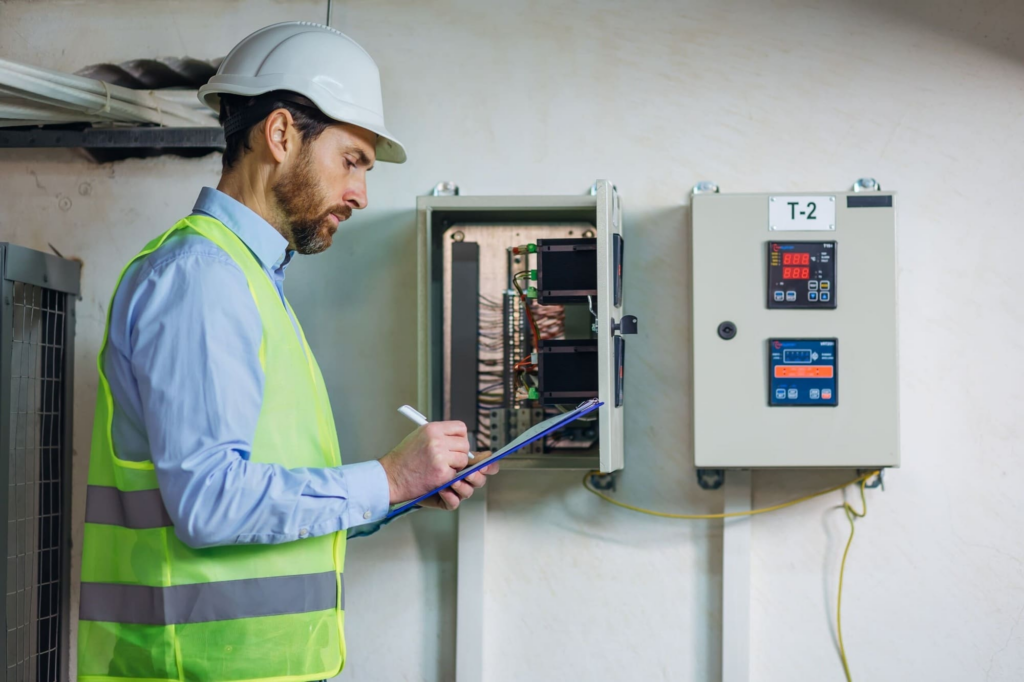
A professional electrical inspection is often the first step toward safer operation in an older property. Electricians check panels, breakers, wiring condition, grounding, outlet placement, exposed connections, and signs of overheating. They also look for outdated materials, improper past repairs, overloaded circuits, and equipment that no longer fits the building’s demand. Older buildings may contain mixed wiring from different renovations, which can make problems harder to spot without a careful review. Services from providers such as https://sarkinenelectrical.com can help property owners determine whether existing systems are simply aging or actively unsafe. This matters because electrical hazards are often invisible until lights flicker, breakers trip, outlets warm up, or equipment fails. A clear inspection gives owners a practical path to correction rather than relying on guesswork.
- Panel Upgrades Support Modern Demand
Older electrical panels can become a major safety concern when building use changes, but the electrical capacity remains the same. A panel that once supported basic lighting and a few appliances may now be asked to handle high-demand equipment, added office devices, upgraded kitchens, tenant improvements, or larger HVAC systems. When circuits are overloaded, breakers may trip frequently, wiring may overheat, and occupants may rely on extension cords as a permanent solution. Electrical services can determine whether the panel has enough capacity and whether the circuits are properly arranged. Upgrading the panel can reduce the risk of overload, improve power distribution, and create room for future needs. In commercial properties, this also supports smoother operations by allowing equipment to run without constant interruptions. In residential buildings, it improves everyday safety by giving appliances and devices the circuit support they require.
- Grounding And Outlet Protection Matter
Grounding is one of the most important safety features in any electrical system, yet older buildings may have weak, missing, or inconsistent grounding. Without proper grounding, electrical faults can become more dangerous for people and equipment. Electricians can test grounding systems and recommend corrections where needed. They can also install ground-fault circuit interrupter outlets in areas where water and electricity may meet, including kitchens, bathrooms, laundry rooms, utility spaces, garages, and outdoor locations. Arc-fault protection may also be recommended to reduce the risk of damage or instability in wiring. These improvements are especially useful in older residential and commercial properties because many were built before modern protection standards became common. Safer outlets and fault protection devices do not dramatically change a building’s appearance, but they can greatly reduce exposure to shock and overheating, and help prevent avoidable electrical failures.
- Old Wiring Requires Careful Evaluation
Aging wiring can create safety issues even when lights and outlets still work. Insulation may become brittle, connections may loosen, rodents may damage hidden cable runs, and older wiring methods may no longer suit the building’s load. In some properties, previous owners may have added circuits without proper planning, leaving behind unsafe splices or overloaded junctions. Electrical services help uncover these issues through testing, panel reviews, attic or basement inspections, and inspections of accessible wiring paths. Rewiring may be recommended for sections of the building where the system is unsafe, unreliable, or unable to support current use. This is not only about preventing sudden outages. It is also about reducing long-term risk inside walls, ceilings, and mechanical areas where damage can remain unnoticed for years.
- Lighting And Emergency Systems Add Protection
Safety in older buildings is not limited to wiring behind the walls. Lighting quality, exit visibility, exterior illumination, and emergency systems also affect how safely people move through the property. Electrical services can improve stairwell, parking area, and hallway lighting, exterior security lighting, and emergency backup lighting. In commercial buildings, these upgrades can support safer exits, clearer paths, and better visibility for staff, customers, and tenants. In residential properties, improved lighting can reduce the risk of falls, discourage unsafe use of temporary lamps or cords, and make outdoor areas easier to navigate. Electricians can also replace outdated fixtures that overheat, buzz, flicker, or draw more power than necessary. Better lighting design improves safety while often reducing maintenance and energy waste.
Safer Buildings Start With Reliable Power
Electrical services improve safety in older residential and commercial buildings by turning hidden risks into clear repair priorities. Inspections, panel upgrades, grounding improvements, outlet protection, wiring corrections, lighting updates, and code-focused repairs all help reduce hazards that can build quietly over time. Older properties often have strong value, but they need electrical systems that can support present-day use without strain. For building owners, landlords, and facility managers, proactive electrical work is a practical investment in safety, reliability, and daily function. A safer building is not created by waiting for failures; it is maintained through timely testing, correction, and planning.