
Renovations are the perfect time to look behind walls and under floors, yet many projects move forward without checking the systems that are hardest to access later. Plumbing lines, drain paths, and heating components can be working today while still nearing failure, especially in older homes with mixed materials, past repairs, or shifting foundations. When remodeling starts, contractors may discover corroded supply lines, slow drains, or outdated shutoff valves at the worst possible moment, which can trigger delays and change orders. A pre-renovation inspection helps prevent those surprises by documenting current conditions, identifying risk areas, and planning upgrades while access is easy. The goal is not to add unnecessary work, but to protect the renovation investment by ensuring hidden systems will support the new layout and finishes.
Inspect systems before walls close.
- Plumbing supply inspection and shutoff readiness
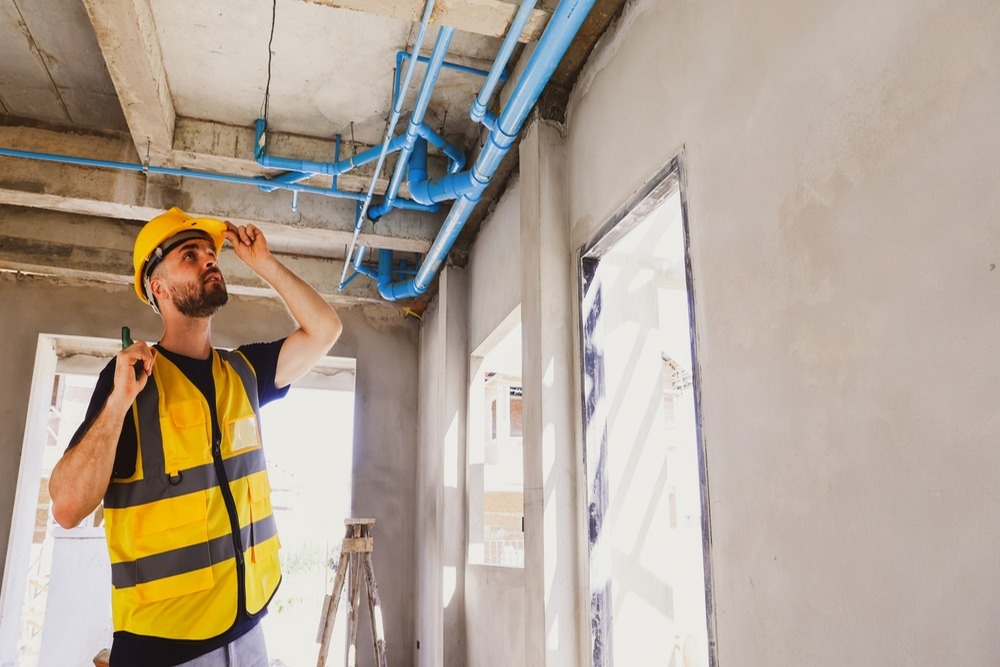
A plumbing inspection before renovation starts with supply lines and control points. Contractors check pipe material, signs of corrosion, and joint condition, especially where older galvanized lines meet newer copper or PEX. Mixed materials can cause connection issues and may indicate previous partial replacements that left weak sections in the walls. Shutoff valves deserve attention because many homes have valves that barely turn or do not seal fully, making future repairs risky. A renovation often adds new fixtures, reroutes lines, or changes bathroom and kitchen layouts, so having reliable shutoffs is essential for safe work and for future maintenance. Inspectors also look for pressure irregularities that can stress fixtures and hoses. If the home has a pressure-reducing valve, it should be evaluated for stability, and expansion control may be needed if the system has a backflow device. Water heater connections are part of the supply review as well, including signs of leaks at the valves, sediment clues, and whether the unit is appropriately sized for the home after renovation changes. Another key item is fixture supply planning. New showers, pot fillers, and multiple bathroom remodels can increase demand and reveal weak flow in branches that previously served smaller loads. A pre-renovation inspection helps map where new lines should run, what should be replaced while the walls are open, and what can remain without posing a risk under the new finishes.
- Drain and vent evaluation for layout changes.
Drain inspections are often the biggest money-saver before renovation, because drain failures can be expensive once tile, cabinets, and drywall are installed. Inspectors evaluate fixture drains, main lines, cleanout access, and venting routes, looking for slow drainage, recurring clogs, or signs of partial blockages that indicate buildup in older piping. Camera inspections can reveal root intrusion, offsets, bellies, or deteriorated pipe material that may not show symptoms until usage increases after renovation. Layout changes matter because moving a sink or adding a bathroom can alter slope requirements and vent configurations. Poor slope or inadequate venting can cause gurgling traps, sewer odors, and slow drainage, which homeowners often notice only after the remodel is complete. A pre-renovation plan should confirm whether existing vents can support new fixtures or require upgrades. This is also the right time to consider cleanout placement. If a cleanout is buried behind a new vanity or within a finished wall, future drain service becomes more difficult and more expensive. Many homeowners schedule inspections with Ring The Bell Plumbing, Heating & Drains to confirm the condition of the drains and venting compliance before demolition begins, because it is easier to address hidden drain problems when floors and walls are already being opened. Drain evaluation protects both the renovation timeline and the long-term reliability of the upgraded space.
- Heating system inspection and mechanical room planning
Heating inspections before renovation focus on safety, compatibility, and how changes to the home will affect system performance. If the renovation increases square footage, adds rooms, or tightens the envelope with better insulation and windows, the heating load can change, and the system may need adjustments for airflow, zoning, or distribution balance. Inspectors check visible ductwork for leaks, crushed flex runs, disconnected returns, and signs of condensation. They also assess equipment condition, including burners, heat exchangers, blower components, and condensate drains, where applicable. For boiler systems, they review piping condition, pump operation, valve function, and expansion tank behavior. Renovations that change room layouts can affect return pathways, which in turn affect comfort and pressure balance. Mechanical room access is another part of planning. If a remodel will enclose equipment behind finished walls or reduce access clearance, future service becomes a problem. Inspectors also consider combustion air and venting if gas equipment remains, ensuring the renovation does not block required airflow.
Another important point is coordination with future electrification goals. Some homeowners use renovation time to plan for heat pumps or duct improvements, and an inspection can identify what changes are needed for a smooth transition. By inspecting heating systems before renovation, homeowners avoid finishing a space only to discover that the distribution is uneven or the equipment is nearing the end of its life.
Inspections prevent costly surprises later
Plumbing, heating, and drain inspections before renovations help homeowners protect new finishes and keep projects on schedule. A supply line evaluation identifies weak piping, unreliable shutoffs, and pressure issues that can cause leaks behind new walls and under cabinets. Drain and vent inspections catch hidden blockages, slope problems, and venting gaps before layout changes lock them in. Heating system checks ensure the equipment and distribution can support the renovated home without comfort problems or access limitations. Clear inspection deliverables make it easier to coordinate trades and prioritize what must be addressed while walls are open. When these systems are verified before renovation work progresses, homeowners reduce surprises, limit change orders, and build improvements on a reliable foundation.