

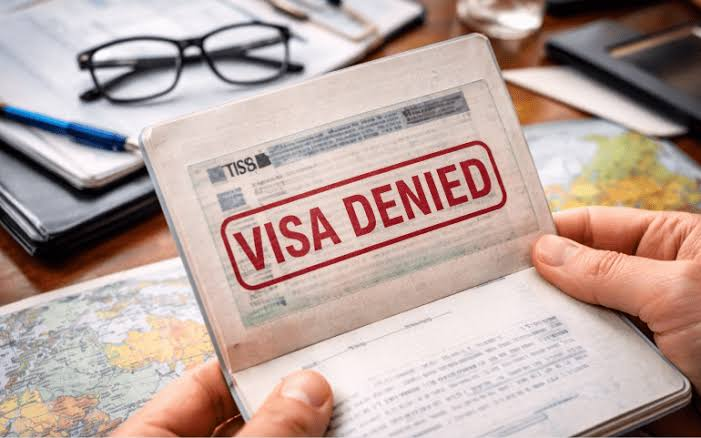
Here is something that surprises people. Most visa applications are not refused because the person was ineligible. They are refused, or badly delayed, over mistakes that had nothing to do with whether the applicant deserved the visa. The encouraging flip side is that nearly all of those mistakes are avoidable once you know where they hide.
In 2026 the Department of Home Affairs wants decision ready applications. A complete, consistent file lets a case officer decide without stopping to ask for more, and that one fact should shape how carefully you prepare. The applicants who stay out of trouble think like australian migration lawyers do: assume the case officer is hunting for a reason to say no, then remove every one in advance.
Mistake 1: treating the minimum as the target
Lots of requirements publish a floor, not a goal. A skilled visa needs 65 points to enter the pool, but invitations go to far higher scores. A relationship has to be genuine, but two documents do not prove it. Wherever you can build a buffer, build one. Scraping in by a hair is how good applications fall over.
Mistake 2: information that does not line up
This is the quiet killer. Your forms, your statements, your documents all have to tell one story. Say you started a job in February while your reference says March, or let your address history drift across documents, and a case officer notices. Worse, the doubt spreads to everything else in your file. Cross check every date, name, and address before you lodge.
Mistake 3: thin or copy paste evidence
Evidence should show a pattern over time, not a single snapshot. A partner applicant who sends a handful of recent photos, or a skilled applicant who claims experience with no payslips or contracts, is handing the Department a reason to start asking questions. And a generic statement, the kind that reads like it was pasted from a template, lands exactly like a template.
Mistake 4: missing checks and certificates
Health exams and police certificates take time, and a strong application can sit and stall while it waits for them. Lived somewhere for 12 months or more in the past decade? Expect to need a police certificate from there. Order these early so they are sitting ready the day you lodge.
Mistake 5: ignoring the timing rules
Timing is unforgiving. Some visas have to be lodged within a set window after an event, like finishing your studies. Points are locked in at the time of invitation, so a change in your circumstances after that can quietly alter what you may claim. And appeal deadlines after a refusal are short and almost never extendable. Diary every date that matters.
Mistake 6: anything that looks like a false claim
This is the one that does lasting damage. Providing false or misleading information, or a fake document, can trigger a refusal on integrity grounds and, in many cases, a ban that stops you being granted certain visas for years. The danger is that this can catch people who were not trying to deceive at all, such as someone who submits a document from a third party without checking it. The rule of thumb is simple: never submit anything you have not personally verified, and never guess on a form when you can confirm the fact.
Mistake 7: going it alone when the case is complex
Straightforward applications often do not need help. Complex ones almost always benefit from it. A previous refusal, a health condition, a character issue, a blended family, time spent unlawfully, these are the situations where a small misstep becomes a big problem. Knowing when your case has tipped from simple to complex is itself a skill, and getting a professional read early is far cheaper than fixing a refusal later.
How a small slip snowballs
| Worked example. An applicant lists a job as full time to claim more points. A reference letter, submitted in the same bundle, describes the same role as part time. The case officer spots the mismatch, and now every other claim in the file is under a cloud. What began as one careless line turns into a Request for Information, months of delay, and a shortfall in points once the role is correctly counted. Nothing here was dishonest. It was just not checked. |
A pre-lodgement checklist worth keeping
- Read the criteria for your exact visa subclass, not a general summary online.
- Write your history once, then make every form and document agree with it.
- Gather evidence that spans time, sorted by what each requirement asks for.
- Order health and police checks early, before you think you need them.
- Verify every third-party document before it goes in the file.
- Confirm you still meet every requirement on the day you lodge, not just the day you started.
- Get a second set of eyes on the whole file before you hit submit.
Frequently asked questions
Can I fix a mistake after I lodge?
Sometimes. You can often provide corrected information or extra documents before a decision is made, but it is far better to get it right the first time, since corrections can raise questions and add delay.
What usually triggers a Request for Information?
Gaps, inconsistencies, and missing checks. A file that is complete and internally consistent gives a case officer no reason to pause and ask.
Do I need a migration agent or lawyer?
Not for every application. Simple, clear cases are often fine to do yourself. Complex situations, or anything with a refusal or character issue, are where professional help earns its cost.
How long does processing take?
It varies enormously by visa and by how clean your application is. Decision ready files move faster, which is the whole point of preparing carefully.
Is a small error really enough to cause a refusal?
An honest slip is usually recoverable. The serious risk is anything that looks like false or misleading information, which can lead to refusal and a lengthy ban.
None of this needs a law degree. It needs patience and a sharp eye for detail. Treat your application as a case you are building rather than a form you are filling in, and you strip out most of the reasons a good application ever gets refused.
This article is general information only and does not constitute legal or migration advice. Requirements differ by visa and change over time. Confirm current rules with the Department of Home Affairs or a registered professional before acting.