

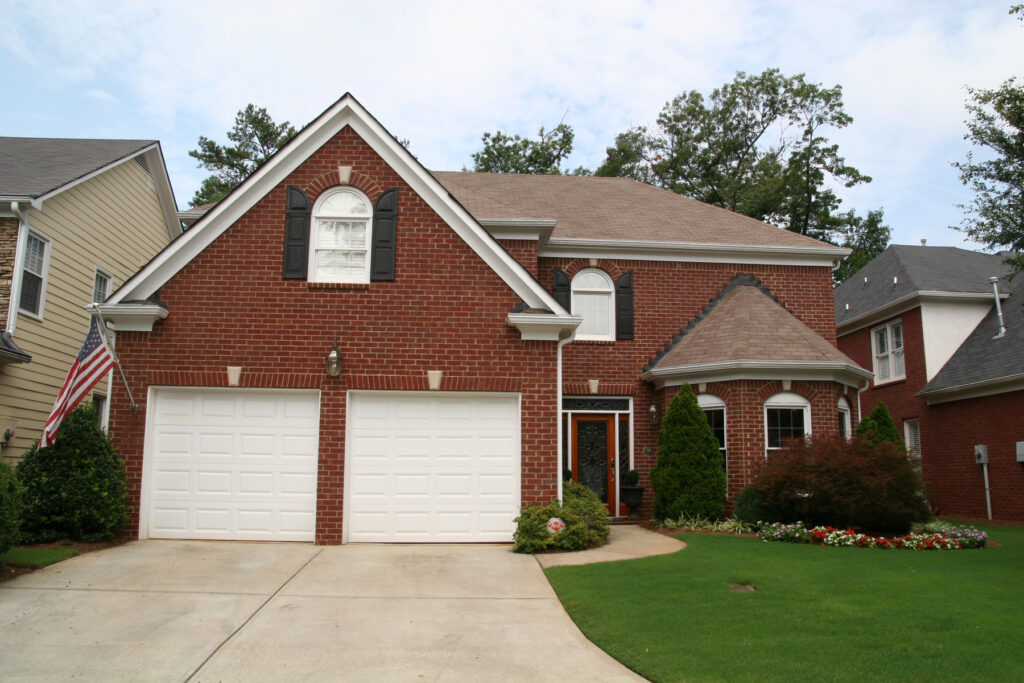
Most people walk past buildings every day without really paying attention to them. Brick walls, stone façades, older homes, and newer developments all slowly become part of the background. You see them, but you don’t really look at them. Until something changes. A small crack appears above a window. Mortar starts to crumble in one section of the wall. A corner of the building begins to look slightly uneven. At first, it doesn’t seem important. Most people assume it’s just normal aging and nothing to worry about. But in reality, these small changes are often the first signs that something deeper is happening within the structure.
Brick and stone don’t fail suddenly – they fail slowly
Brick and stone buildings are incredibly durable, but they don’t last forever without care. The real challenge is not sudden damage, but slow and repeated exposure to weather. Rain, snow, heat, and freezing temperatures all affect masonry over time. Water slowly finds its way into tiny gaps, freezes during winter, expands, and then melts again. This cycle repeats year after year, and little by little, it starts to weaken the structure.
The small signs that are easy to ignore
What makes this even more difficult is that the early signs are very easy to ignore. Small cracks in the mortar, slight gaps between bricks, or faint moisture marks may not look serious at first. Many homeowners don’t notice them or simply assume they are cosmetic issues. However, these are often the first indicators that water is entering places it shouldn’t. Once moisture gets inside the wall system, the process of damage speeds up. What starts as a minor issue can gradually develop into deeper structural problems that are far more expensive to fix later.
Why maintenance matters more than repair
This is why regular maintenance is so important when it comes to masonry work. It is not only about fixing visible damage, but about preventing future deterioration. Services such as tuckpointing, brick repair, and façade restoration help strengthen the structure and protect it from ongoing weather exposure. Small interventions done early often prevent much larger repairs later.
Why experience makes a real difference
Masonry may look simple from the outside, but it requires precision and knowledge of how materials behave over time. Two walls built with the same materials can age very differently depending on the quality of workmanship. If the mortar is not applied correctly or the joints are not properly sealed, problems will return much faster than expected. That’s why experience matters just as much as materials themselves.
How climate quietly shapes every building
In areas with strong seasonal changes, structures are constantly expanding and contracting. Hot summers stretch materials, cold winters shrink them, and moisture fills the gaps in between. Over time, this puts continuous pressure on brickwork and mortar. In cities like Chicago, where these conditions are extreme, long-term wear is very common. That’s why many property owners choose to rely on experienced Masonry Contractors Chicago, who understand how to properly assess damage, prevent further deterioration, and handle repairs before small issues turn into costly structural problems.
Why the best masonry work is invisible
The interesting thing about good masonry work is that you usually don’t notice it when it’s done correctly. A well-maintained building doesn’t draw attention to itself. It simply looks solid, stable, and natural in its environment. That is actually the goal – not to make buildings stand out, but to make sure they quietly continue doing their job for decades.
Final thought
Most buildings don’t fail suddenly. They show small signs long before anything serious happens. The problem is that those signs are often easy to overlook. And that is exactly why masonry maintenance is so important – because it protects buildings long before problems become visible.