

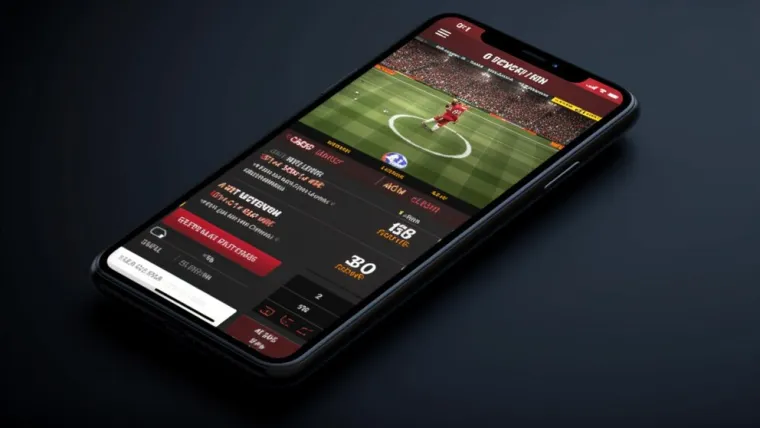
Busy cricket matches change the way people use mobile apps. The pace is faster. Decisions happen in shorter windows. Attention moves between the score, the market, and the next ball. In that setting, users do not judge an app by branding alone. They judge it by how well it performs when pressure rises and the screen needs to keep up.
That is why product quality matters so much in this category. A live cricket betting app is expected to feel clear, fast, and reliable from the first tap. During high-traffic match moments, users want less friction and more control. Extra features do not help much if the basics fail. When the app feels slow, crowded, or unstable, attention disappears quickly.
Speed sets the tone before anything else
The first feature users notice is speed. Not because speed sounds impressive, but because it shapes every other action inside the app. If the home screen loads slowly or live markets take too long to refresh, the whole experience feels weaker. That feeling appears in seconds.
During a busy match, people do not want to wait for pages to settle. They expect screens to open without lag. They expect quick movement between sections. They expect the app to respond as soon as they tap. Even a short delay can feel longer when the match is moving fast and the odds may change at any moment.
Speed also affects trust. A smooth app feels more dependable. A slow one creates doubt, even before any major action happens. Users start to wonder whether the data is current, whether the action went through, or whether the next step will take too long. That is why speed is not a technical bonus. It is the first sign that the product is ready for live use.
Clear navigation helps when attention is split
Busy matches create divided attention. A user may be watching the score, checking a market, reading a small update, and preparing the next move at the same time. In that situation, navigation needs to work without effort.
Users expect an app to make the live section easy to find. They want match pages that are simple to scan. They want important options close at hand instead of buried under too many layers. A clean path matters more than a crowded screen filled with choices.
The most useful apps usually get a few things right:
- Live markets are easy to access.
- The score and match status stay visible.
- Buttons are readable on a small screen.
- Users can move back and forth without losing context.
This kind of design does more than save time. It lowers stress. When the path feels obvious, users stay focused on the match instead of fighting the interface. That difference matters most when the pace rises and the margin for hesitation becomes smaller.
Real time updates must feel truly live
A live product only works when the information feels current. That sounds basic, yet it is one of the first places where weak apps lose users. Busy matches make every refresh more important. Users expect the score, odds, and market status to reflect what is happening now, not what happened a moment ago.
This is where the third and fourth features become central. The app needs real time updates. It also needs stability while those updates keep arriving. One without the other is not enough. Fast data means little if the screen freezes. Stable performance means little if the numbers look late.
When these two elements work together, the app feels useful instead of stressful. A person can follow the match, scan the market, and make a decision without second guessing the timing of the information. That sense of alignment is what makes live use feel natural.
Users do not expect perfection in every second of a heavy match. They do expect consistency. If an app stays clear and responsive while traffic rises, it earns repeat visits. If it becomes fragile exactly when the match gets intense, it loses value at the point where it matters most.
The bet slip should feel simple, not heavy
A busy match is not the moment for a complicated process. Once a user decides to act, the path from selection to confirmation needs to stay readable. This is where many apps become harder than they need to be.
The fifth feature users expect is a simple bet slip flow. It should be easy to see what has been selected, what the stake looks like, and what happens next. Nothing should feel hidden. Nothing should force the user to stop and decode the screen. The best flows reduce mental load instead of adding more of it.
The sixth feature is a layout that supports quick decisions without becoming messy. A strong mobile layout does not try to show everything at once. It gives enough context to act with confidence. It also protects against avoidable mistakes by keeping actions visible and confirmations clear.
This matters because busy matches create rushed behavior. If the app already feels crowded, users are more likely to make errors or abandon the process. A clear slip and a readable layout do the opposite. They make the product feel calmer at the exact moment when the match becomes less calm.
Useful alerts can help. Too many will hurt
The seventh feature is notification quality. Alerts can improve the experience when they help users return at the right time or notice a useful change. They become a problem when they distract, repeat the obvious, or interrupt the session too often.
Good alerts respect attention. They support the flow instead of pulling users away from it. That matters because mobile use during cricket matches is already intense. People do not need extra noise. They need reminders that feel timely and relevant.
The strongest live apps usually share a common pattern. They do not try to impress with volume. They work by making the basics feel easy under pressure. Speed, navigation, live updates, stability, a simple slip, a readable layout, and useful alerts create that result together.
When those elements are in place, the app feels ready for match day. It becomes something users can rely on during the busiest overs, not just something that looks good before the game starts.