
When working with a professional ceiling fan installer, one of the most common questions homeowners ask is: how do I choose the right ceiling fan for my space? The answer goes beyond just picking a design you like.
The right ceiling fan can improve comfort, enhance airflow, and even reduce your energy bills—while the wrong choice can lead to poor performance and frustration.
With expert guidance from Dynamic Group and insights from industry professionals, you can make a smart, long-lasting investment for your home.
Why the Right Ceiling Fan Matters
A ceiling fan isn’t just about cooling—it’s about circulating air efficiently. When chosen correctly, a fan can:
- Keep rooms cool in summer
- Redistribute warm air in winter
- Reduce reliance on air conditioning
- Improve overall comfort
However, selecting the wrong fan can result in weak airflow, unnecessary noise, or even safety concerns.
Start with Room Size
The size of your room is the most important factor when choosing a ceiling fan. Each fan is designed to circulate air effectively within a specific area.
General guidelines:
- Small rooms (up to 75 sq ft): 29–36 inches
- Medium rooms (76–144 sq ft): 36–42 inches
- Large rooms (144–225 sq ft): 44–50 inches
- Extra-large rooms (225+ sq ft): 52 inches or more
Choosing the correct size ensures the fan can move enough air without overwhelming the space.
Professionals at Dynamic Group often recommend measuring your room before purchasing to avoid costly mistakes.
Consider Ceiling Height
Ceiling height plays a critical role in both safety and performance. For optimal airflow:
- Fans should be at least 7 feet above the floor
- Ideal height is between 8–9 feet
Mounting options include:
- Flush mount (for low ceilings)
- Downrod mount (for high ceilings)
- Angled mount (for sloped ceilings)
Incorrect installation height can reduce efficiency and even pose safety risks.
Focus on Airflow, Not Just Looks
While style is important, performance should always come first. Airflow is measured in CFM (cubic feet per minute)—the higher the number, the better the air circulation.
Look for:
- High CFM ratings
- Efficient motor design
- Multiple speed settings
According to Kyle Hambley, many homeowners prioritize aesthetics over performance, which often leads to disappointment after installation. A balanced approach is always best.
Choose the Right Style for Your Space
Ceiling fans come in a wide range of styles, allowing you to match your interior design. Options include:
- Modern and minimalist
- Traditional timber finishes
- Industrial designs
- Fans with integrated lighting
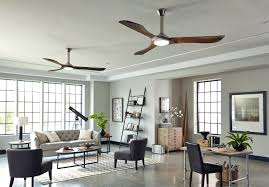
A well-chosen fan can act as both a functional appliance and a design feature.
Indoor vs Outdoor Fans
Not all ceiling fans are created equal. It’s essential to choose a fan designed for its intended environment.
- Indoor fans: Bedrooms, living rooms, offices
- Outdoor fans: Patios, bathrooms, humid areas
Outdoor fans are further classified as:
- Damp-rated
- Wet-rated
Using an indoor fan outdoors can lead to damage and safety issues.
Motor Type and Noise Levels
A quiet fan is crucial, especially in bedrooms or workspaces. The motor is the heart of the fan and determines both performance and noise.
Types of motors:
- AC motors: More affordable but slightly noisier
- DC motors: Quieter, more energy-efficient, and smoother
Kyle Hambley highlights that poor installation can also cause noise issues, such as wobbling or clicking—another reason to work with experienced professionals.
Energy Efficiency and Cost Savings
Ceiling fans are one of the most energy-efficient ways to regulate indoor temperature. When used correctly, they can:
- Reduce energy consumption
- Lower electricity bills
- Complement air conditioning systems
Fans with energy-efficient motors and LED lighting provide even greater long-term savings.
Dynamic Group often advises homeowners to consider energy ratings when selecting a fan, especially for frequently used rooms.
Features That Add Convenience
Modern ceiling fans come with a variety of features designed to improve usability:
- Remote control or wall control
- Smart home integration
- Reversible motor (for year-round use)
- Built-in LED lighting
A reversible motor is particularly useful, as it allows the fan to push warm air downward during colder months.
Installation: DIY vs Professional
While DIY installation may seem cost-effective, it can lead to complications if not done correctly. A professional ceiling fan installer ensures:
- Safe wiring
- Secure mounting
- Proper balancing
- Compliance with regulations
Working with experts like Dynamic Group minimizes risks and ensures your fan operates at peak performance.
Common Mistakes to Avoid
Choosing the wrong ceiling fan often comes down to a few common errors:
- Selecting the wrong size
- Ignoring ceiling height
- Prioritizing design over airflow
- Using indoor fans outdoors
- Attempting complex installations without expertise
Kyle Hambley emphasizes that proper planning and expert advice can prevent these issues and save money in the long run.
Final Thoughts
Choosing the right ceiling fan for your room requires a balance of size, performance, design, and proper installation. It’s not just about what looks good—it’s about what works best for your space.
By understanding your room’s requirements and seeking advice from professionals like Dynamic Group, you can ensure your ceiling fan delivers comfort, efficiency, and style for years to come.
Whether you’re upgrading a single room or outfitting an entire home, making the right choice today will pay off in long-term comfort and energy savings.